

Texts


Every Wednesday, Sabzian publishes texts on cinema in Dutch, English or French.Chaque mercredi, Sabzian publie des textes sur le cinéma en néerlandais, en anglais ou en français.Elke woensdag publiceert Sabzian teksten over cinema in het Nederlands, Engels of Frans.
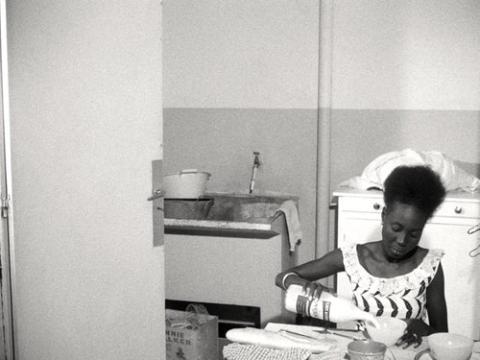
We weten dat Chantal Akerman vele filmmakers begeesterde. Maar weten we ook door wie Akerman geïnspireerd is? Haar meesterwerk Jeanne Dielman, 23 quai du Commerce, 1080 Bruxelles (1975) toont opvallend veel overeenkomsten met La noire de ... (1966) van Ousmane Sembène.
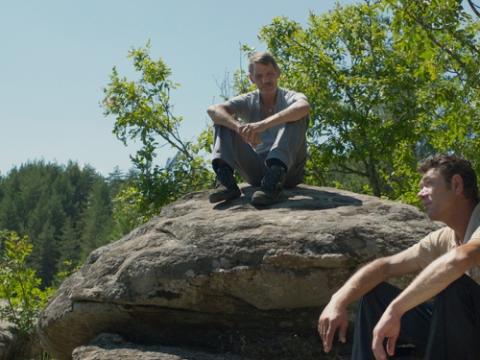
A Conversation with Valeska Grisebach
During her visit to Belgium in 2019, Sabzian spoke with Valeska Grisebach, director of Mein Stern (2001), Sehnsucht (2006) and Western (2017). Grisebach: “It just sometimes really takes my breath away. The beauty of simple material without invention, the contact between the camera and the material: a human, a face, light, atmosphere... On the one hand there is this story or plot, a reference to the idea of fiction, or to old legends and stories people bring to the project... But at the same time, I also want to lose control and get to something you can’t understand or sort out immediately. You could say it’s about a refusal to place the characters, the world depicted, “under restraint.””
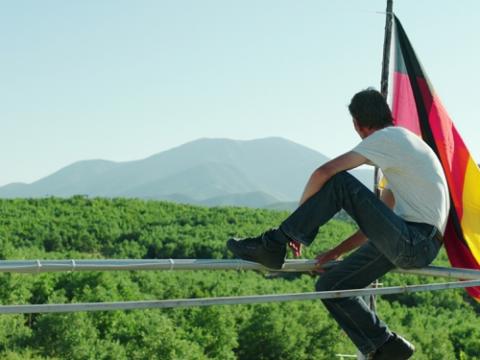
Een gesprek met Valeska Grisebach
Tijdens haar bezoek aan België in 2019 sprak Sabzian met Valeska Grisebach, regisseuse van Mein Stern (2001), Sehnsucht (2006) en Western (2017). Grisebach: “Soms vind ik het simpelweg adembenemend. De schoonheid van eenvoudig materiaal zonder verzinsels, het contact tussen de camera en het materiaal: een mens, een gezicht, licht, sfeer, … Dus aan de ene kant is er een verhaal of een plot, een verwijzing naar het idee van fictie of naar oude legendes en verhalen die mensen meebrengen naar het project … Maar tegelijkertijd wil ik ook de controle verliezen en tot iets komen dat ik niet onmiddellijk begrijp of kan oplossen. Je zou kunnen zeggen dat het gaat om een weigering om de personages, de wereld die wordt getoond, op te sluiten.”
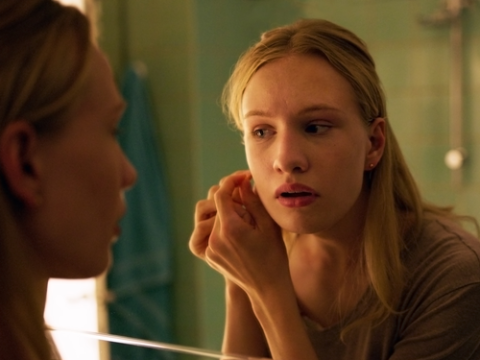
Girl by Lukas Dhont
Girl thrives on impersonal voyeurism. Not unlike the scenes in front of the mirror, the scenes with the doctor, psychologist and dance teacher turn the audience into bystanders of a process of certification. When Lara, at the end of her journey, confidently looks into the camera in a Brussels metro station, she also looks us, her “jury”, straight in the eyes. It’s as if she knew all along that someone had been watching in the background. “Here I am,” she seems to say, “now you know what I’ve been through. Now I can come to terms with myself.”
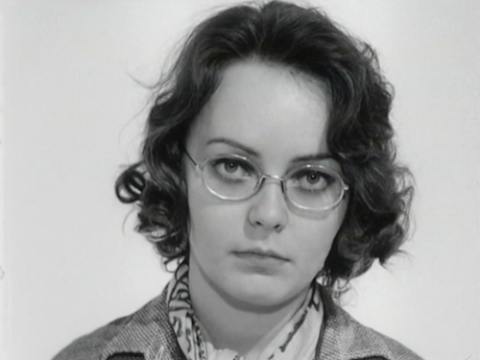
Een interview met Sylvie Pierre
Dit interview werd afgenomen door de Portuguese filmcriticus Luís Mendonça voor de Portuguese website À pala de Walsh. Sylvie Pierre: “Binnen die omgeving dan “de vrouwelijke gevoeligheid” representeren? Geen idee of ik dat deed ... Waarschijnlijk. Maar wel behoedzaam. Het vrouwelijke toegepast op het gebied van het kritische denken was nog onontgonnen terrein, bovendien bezaaid met mijnen. Het vrouwelijke denken werd, toen tenminste, niet toegejuicht. Het werd niet gezien als een intellectuele kwaliteit die buiten verdenking stond.”

Out of Place, Out of Time
Zo heeft het hele gebeuren iets miraculeus. Het vertelt het verhaal van een representatie die sneller is dan de werkelijkheid. Het evenement in het stadion representeert die representatie, brengt ze ten tonele, als in een ongevaarlijke verdubbeling. Doordat de beelden meteen zichtbaar zijn, wordt zowel Lil Nas X als het publiek getroffen door de bevreemdende observatie dat het heden zich hier tot geschiedenis verheft. Het maakt van het filmpje een ongevraagde metafoor voor het hele “Old Town Road”-fenomeen.
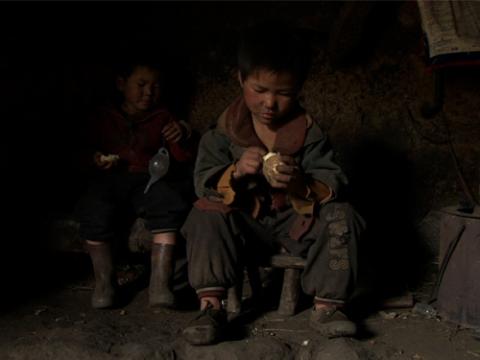
Wang Bing on ’Til Madness Do Us Part and Three Sisters
“Yingying lives in hard circumstances. First, she was separated from her mother. Then, she was obliged to live several months without her father. And thereafter, she had to live without him and her two sisters. She has a difficult relation with the human community around her, her family and friends. But when she’s with the animals, you can feel her innocence, a certain human truth, very primal, very basic.”
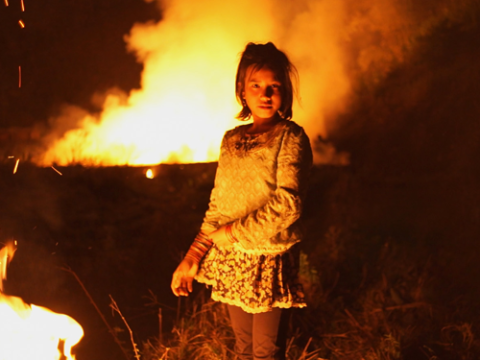
Wang Bing about Ta’ang and Bitter Money
“There is no absolute freedom for any filmmaker. There will always be limitations on various levels, according to the particular conditions a director works in: “less money” causes the “less freedom” of “less money,” and “more money” causes the “less freedom” of “more money”. For certain filmmakers, having little money means having little freedom, for other filmmakers – like myself – having little money means having more freedom, because the low budget makes things simpler and more straightforward. So I would say that a director has first of all to find the suitable conditions to create, to do what he wants to do. A good director always manages to work around – and sometimes break through – these limitations, and achieve his aims.”
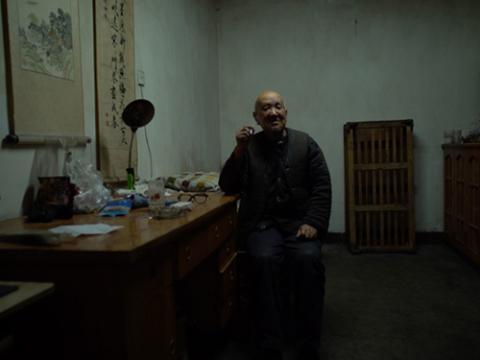
Wang Bing about Dead Souls
Before the premiere at the 2018 Cannes filmfestival, Emmanuel Burdeau talked to Wang Bing about his colossal documentary work Dead Souls. “As it is often the case, though, the problem was the solution: I finally understood that it was this gap that would be the subject of Dead Souls. I finally realized that what interested me through the memory of the survivors was to be able to touch upon the reality of those who had died. But all this remains very theoretical... From a practical standpoint I still didn’t know how the reality of those who were dead was going to come forth from the testimonies of those who were, on the contrary, still alive and who, when they were interviewed, spoke mostly of just that: the fact that they had survived. ”
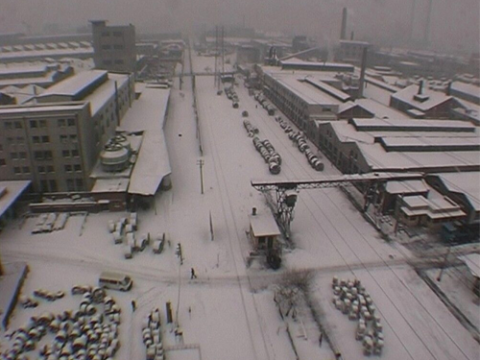
The exercise is new to me. To reread what I have written in another time. Over the past decade, I was occasionally prompted to speak on Wang Bing’s film West of the Tracks (2002), which I don’t just consider a great movie but a cinematographic event that changes the state of things we still call ‘cinema’. In Corps et cadre (Verdier, 2002), I regretted not being able to produce a true critique of this film fleuve (of nine hours). The thing was beyond me; it still is. I then resolved to a different tactical approach. To examine what remained of the film in my memory. A film which is that long, a whole which is that intricate, cut into four segments each lasting more than one hour, two hours, three hours, obviously presents a challenge to the memory of the spectator that I am.
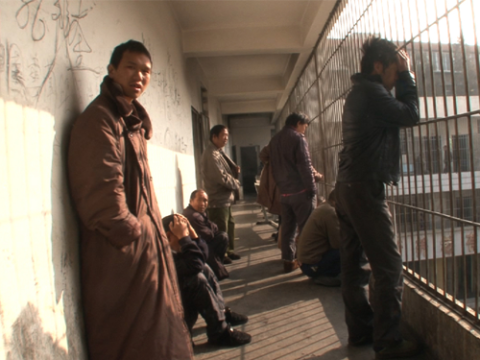
Everything, you know, is nothing. The patients in every psychiatric hospital in the world do not exist. Their identity is denied. They have no name. They are simply crazy. In Wang Bing’s cinema we meet two types of characters. Those who have no name, but who describe themselves through action, and those who have a name and act through words. Dumbed by medicines, the madmen of Wang Bing are deprived of the opportunity to tell their story. This is the main issue that the film tackles and solves.
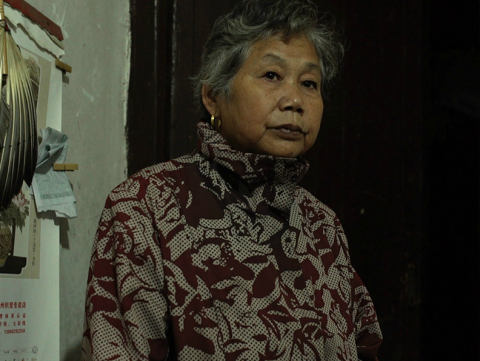
Wang Bing about Mrs. Fang
“Behind her eyes I saw something – a light. And that light reminded me of a child’s eyes. I thought, “She’s there and we know that she’s there looking out from behind her eyes.” Eyes talk to us in these ways. When it dawned on me that a second chance to record her was unlikely, I realized that for the most part this would be the way to have her appear in the film. I thought it would probably be the only way to make people feel that she’s there, she’s alive, she’s still alive.”
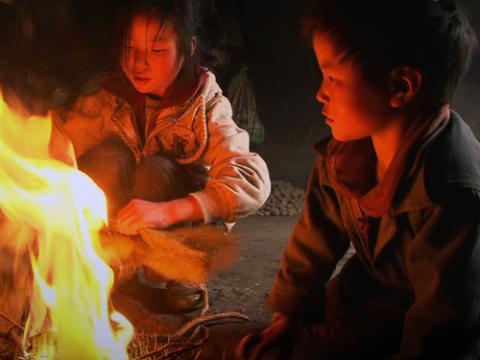
Wang Bing’s Three Sisters
But fire also burns in the face of Yingying, the dutiful, stoic eldest daughter who yearns to read and write and study, to discover something unattainable in this tiny, remote village. There is fire even in her dirty, white-hooded jacket with the words “Lovely Diary” on the back, a jacket she never takes off throughout the film. She never demands anything, and she barely speaks, yet she is one of the most compelling, most affecting figures in all of documentary cinema.
Wang Bing about Fengming: A Chinese Memoir
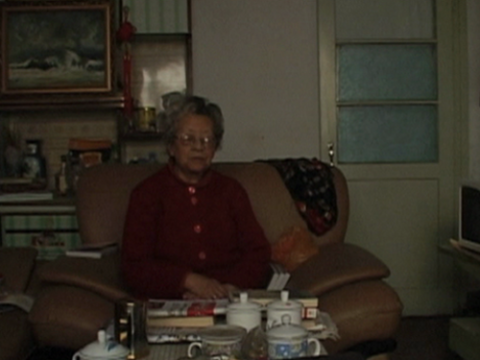
In He Fengming [Fengming: A Chinese Memoir] (2007) Wang Bing recorded in barely one take He Fengming’s startling testimony of the persecutions that she and her family endured throughout the Anti-Rightist Movement and the Cultural Revolution in China. “I wanted to assure her the most ample freedom of speaking. The core of the film has been shot during one afternoon. Fengming was 76 years old, she’s a woman who entirely lives in the past, in her memory. In fact, it seemed correct to make an immobile film, a ‘talking heads’ film and I did not want to stage anything else. It’s about understanding her for who she is: a spectral woman locked up in the past, wandering about in an apartment that has been reduced to a tomb.”
Wang Bing about Feng ai [’Til Madness Do Us Part]
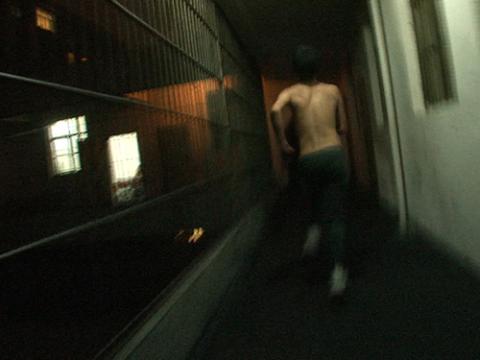
“A mental hospital is not, as such, an original theme. The story told by ’Til Madness Do Us Part could just as well happen anywhere else. It is a common story. The fact remains that mental illness is of course an interesting subject, particularly in China. Somehow, mental illness frees mankind, as it liberates mankind from the yoke of the law. At the same time, it makes man more vulnerable... […] The life we see on the outside of an asylum is fundamentally not very different from the one we can see on the inside. What interested me was less the hospital than the patients and the life they were living... They don’t consider this place a mental hospital but the place in which they live. […] It is their house. That’s where they live as if it is their home. Some of them even stay there for the rest of their lives. Very early on, I was struck by the impression that in a lot of ways there is more humanity on the inside of a hospital than on the outside.”
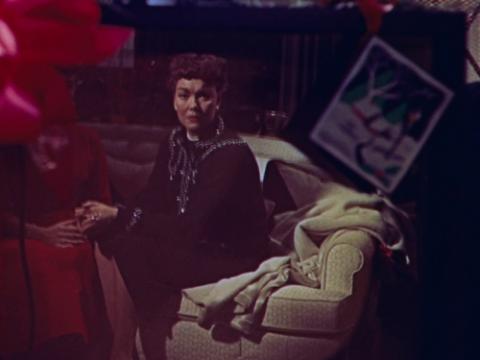
Disarming. There’s always something disarming about the massive. The massive of impudence; the massive of self-assurance; the massive of collectivity; the massive of vulgarity; the massive of being right. Television is carried by all these incarnations of the massive. It is founded in it.
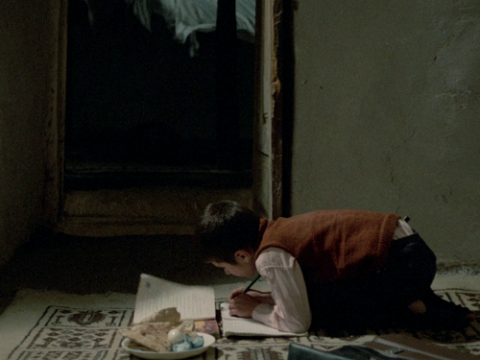
Ik geloof in een vorm van cinema die meer mogelijkheden en tijd biedt aan zijn toeschouwers. Een halfgecreëerde cinema, een onvoltooide cinema die door de creatieve geest van het publiek voltooid raakt en zo leidt tot honderden films. Het behoort toe aan de toeschouwers en stemt overeen met hun eigen wereld.
I believe in a type of cinema that gives greater possibilities and time to its audience. A half-created cinema, an unfinished cinema that attains completion through the creative spirit of the audience, so resulting in hundreds of films. It belongs to the members of that audience and corresponds to their own world.
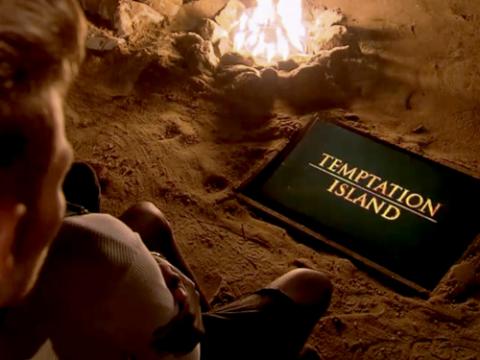
“Zeg eens, wat heb je nu juist allemaal gezien?” vraagt de Temptation Island-presentator aan een van de vier mannen rond het beeldscherm aan het kampvuur.
Als ik het probleem van het beeld ter sprake breng, is het vooral om je inzicht te geven in hoe de geest van een filmmaker werkt. Die moet zijn weg aftasten door de verschijning van dingen, moet kiezen, afwijzen en weer kiezen, altijd op zoek naar significantere verschijningsvormen, die als gist zijn voor het deeg, dat de context is. Dit is echter niet moeilijker voor film dan voor poëzie. De camera is instinctmatig, of zelfs door oefening, een zwerver.
In de Japanse horrorfilm Pulse [Kiaro] van Kiyoshi Kurosawa komt de gruwel tevoorschijn uit het internet: spoken verschijnen in de leefwereld van jongeren via een website, eerst enkel zichtbaar op het scherm, later ook in hun materiële wereld.
Notities bij En sortant du cinéma
Het is de toon van zijn tekst die me aanspreekt. Van bij de eerste zin schept hij plezier in een spel van aanhalen en afweren. Eerst doet hij zich voor als een ander, niet als een “ik” (“het subject dat hier aan het woord is”),1 maar toch doet “hij” meteen een persoonlijke ontboezeming. Hij erkent eerder dan dat hij bekent, en het is van moeten (in het origineel: “doit reconnaître une chose”). Niet omdat iets of iemand hem verplicht, maar omdat hij maar wat graag openlijk toegeeft wat hij bij zichzelf heeft ingezien: midden jaren zeventig houdt de gerespecteerde Roland Barthes ervan om de bioscoopzaal te verlaten. En nog wel vóór het einde van de film, lees ik tussen de regels.
Notes on Leaving the Movie Theater
Herman Asselberghs is currently working on a long-term film project at the film department of the LUCA School of Arts, where he has been teaching for two decades. Through the realization of a film essay, he probes the relationship between attention and distraction in the film theatre and the classroom. Throughout the creation process, Sabzian reports on his accompanying reading and writing. On a regular basis, Asselberghs selects an existing text that interests him and that he himself provides with an accompanying text. In the first instalment he focuses on ‘Leaving the Movie Theater [En sortant du cinéma]’ by Roland Barthes.
Notes sur En sortant du cinéma
Herman Asselberghs travaille actuellement sur un projet de film à long terme dans l’école de cinéma où il enseigne depuis vingt ans. En réalisant un film-essai, il sonde les relations entre attention et dispersion au cinéma et en classe. Sabzian rend compte du travail de lecture et d'écriture qui accompagne son processus de création. Asselberghs sélectionne ainsi régulièrement un texte qui l’intéresse et l’assortit d’une réflexion personnelle. Dans le premier épisode, il se penche sur En sortant du cinéma de Roland Barthes.
Mitten by Olivia Rochette and Gerard-Jan Claes
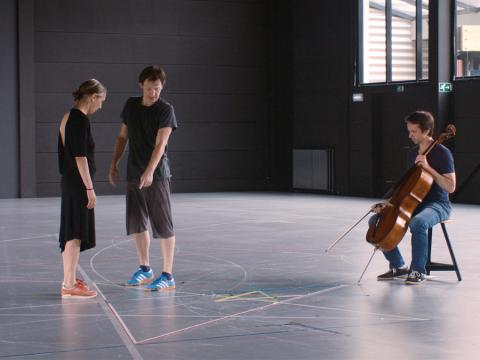
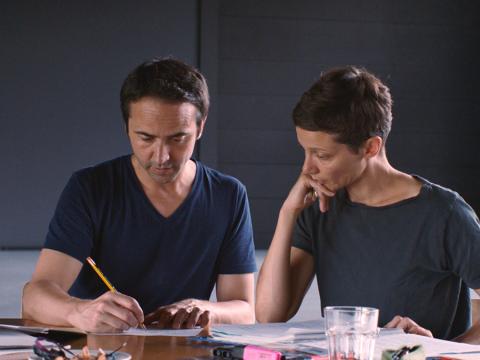
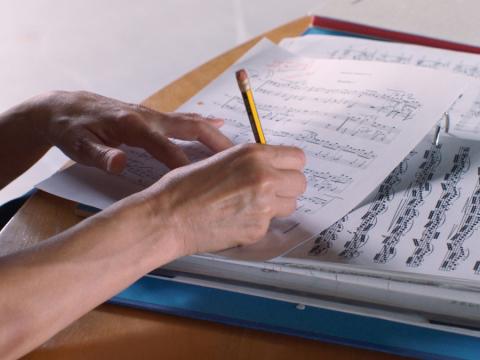
The film Mitten, which shows us what goes on behind the scenes in the creation of Mitten wir im Leben Sind/Bach6CelloSuiten, focuses on this point exactly: how is dance invented? The camera of Olivia Rochette and Gerard-Jan Claes scrutinises how it emerges from a continuous circulation between the notes, the words and the gestures. Each scene, alternating between sessions at the table and rehearsals of dance sequences, redistributes the evolving places of these different symbolic arrangements. We see the stops, the retakes, the discussions: about a note, a rhythm, a trajectory.
Mitten van Olivia Rochette en Gerard-Jan Claes
De film Mitten – die ons de coulissen toont van de creatie van Mitten wir im Leben sind/Bach6CelloSuiten – legt de vinger precies op dat punt: hoe wordt dans gemaakt? De camera van Olivia Rochette en Gerard-Jan Claes neemt de manier onder de loep waarop dans verschijnt uit een voortdurend verkeer tussen noten, woorden en gebaren. Elk shot – afwisselend sessies aan tafel en repetities van de gedanste sequensen – herverdeelt de veranderlijke plaatsen van deze verschillende tekensystemen. We zien het stoppen, het hernemen, de discussies: over een noot, een ritme, een traject.
Mitten d’Olivia Rochette et Gerard-Jan Claes
Le film Mitten – qui nous montre les coulisses de la création de Mitten wir im Leben Sind/Bach6CelloSuiten – met le doigt sur ce point précis : comment s’invente la danse ? La caméra de Olivia Rochette et Gerard-Jan Claes scrute la manière dont elle émerge d’une circulation continue entre les notes, les mots et les gestes. Chaque plan – alternant séances à la table et répétition des séquences dansées – redistribue les places fluctuantes de ces différents régimes de signes. On observe les arrêts, les reprises, les discussions : sur une note, un rythme, une trajectoire.
Olivia Rochette en Gerard-Jan Claes over Mitten
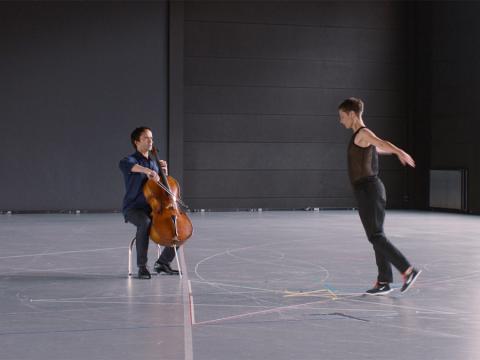
“Bij de montage zagen we redelijk snel in dat de film gaat over concentratie, niet alleen menselijke concentratie tijdens een werkproces, maar ook als stuwende dynamiek. Tijdens een creatieproces van Anne Teresa wordt er duidelijk naar iets toegewerkt, een “punt”, iets dat eigenlijk onbereikbaar is, een bepaalde graad van precisie of juistheid.”
Olivia Rochette et Gerard-Jan Claes sur Mitten
« Nous avons rapidement relevé que le film, justement, allait traiter de concentration. Non seulement la patiente concentration des artistes absorbés par le travail, mais aussi la concentration au sens d’une cristallisation, celle d’un processus soumis à une propulsion. Lors d’un processus de création avec Anne Teresa, chacun ressent que l’on œuvre vers un cap, un « point », quelque chose qu’il est à vrai dire difficile de nommer et d’atteindre, et qui met en jeu toutes les ressources de la précision et de la minutie. »
Olivia Rochette and Gerard-Jan Claes about Mitten
“During the editing process we realised fairly early on that the film is mostly about concentration. Not only human concentration during a working process but also in terms of a propelling dynamic. A creation process of Anne Teresa clearly works towards something, towards a point that is actually unattainable.”
Olivier Assayas’ Doubles vies
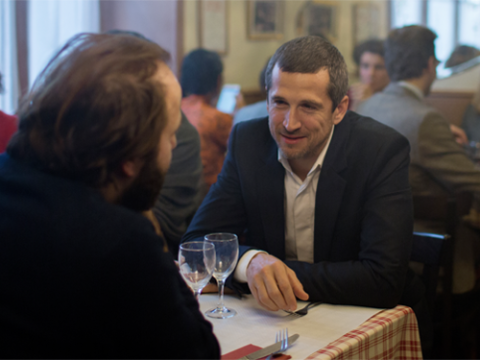
Waarom is Olivier Assayas’ Doubles vies (2018) zo fris? En waarom voelt de film zowel eigentijds als oneigentijds aan?
Girl van Lukas Dhont
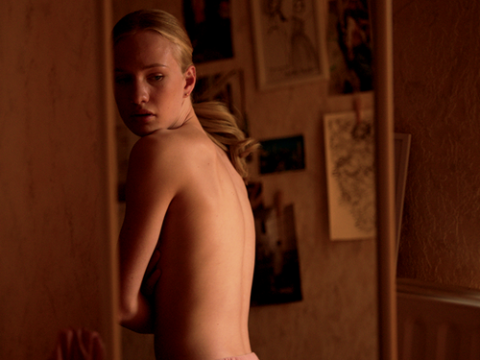
Girl leeft van een onpersoonlijk voyeurisme. Net zoals de sessies voor de spiegel maken de scènes bij de dokter, psycholoog en dansleraar het publiek omstander van een certificatieproces. Wanneer Lara op het einde van haar reis in een Brusselse metrogang zelfverzekerd in de camera kijkt, kijkt ze ook ons, haar “jury”, recht in de ogen. Het is alsof ze al die tijd wist dat er iemand in de achtergrond zat mee te kijken. “Hier ben ik,” lijkt ze te zeggen, “nu weten jullie wat ik heb doorgemaakt. Nu kan ik met mezelf in het reine komen.”
Monsieur Hulot op vakantie
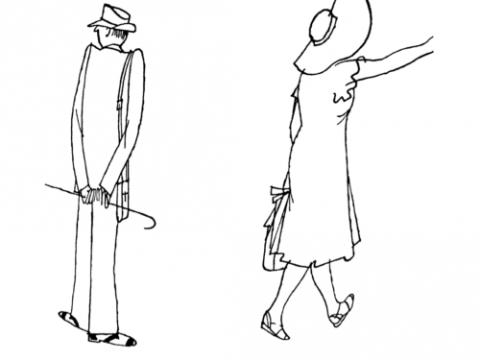
Die “beschaafde, als automatische mens”, Monsieur Hulot, zette zijn eerste stappen in Jacques Tati’s film Les vacances de Monsieur Hulot uit 1953. Weinig geweten is dat vooraleer Hulot opnieuw opduikt in Mon oncle (1958), hij ook verscheen in een gelijknamige boekversie van zijn filmdebuut. Nochtans verrast de naam van de auteur van deze grotendeels vergeten of miskende novellisatie: een jonge Jean-Claude Carrière, de scenarist van films van Jean-Luc Godard en Nagisa Oshima, maar vooral van het late werk van Luis Buñuel en Philippe Garrel.
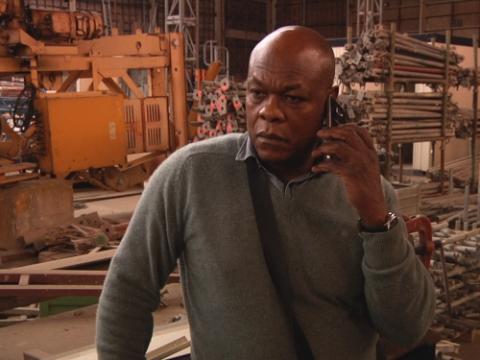
Hannes Verhoustraete over Un pays plus beau qu’avant
In december 2018 ging de eerste langspeelfilm van de Brusselse filmmaker Hannes Verhoustraete, Un pays plus beau qu’avant (2019), in avant-première in de Beursschouwburg te Brussel. De film volgt de omzwervingen van Jean-Simon, een Brusselse kleinhandelaar van Congolese origine die zich tracht te handhaven in de informele economie van de hoofdstad. Verhoustraete: “Hoewel [een] concrete [politieke] urgentie zeer aanwezig is, blijven we in de film dichter bij de persoonlijke hoogdringendheid van het leven van Jean-Simon. Een urgentie die soms rond 20 euro draait, rond eten en de dag doorkomen. Ik wilde die werkelijkheid vervolgens koppelen aan een systemische dimensie, het kleine met het grote verbinden. Ik denk dat ik eerder op zoek was naar een schizofrenische ‘blik in spreidstand’.”
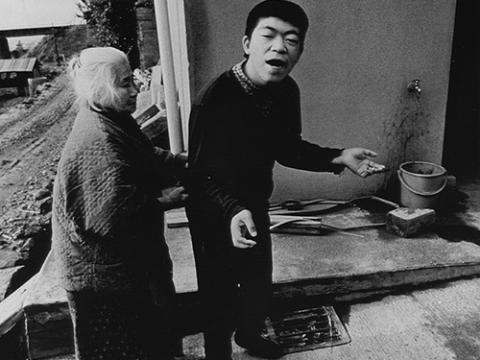
An Interview with Noriaki Tsuchimoto
As the owner of the camera and the tape recorder, I can never be equal to the people I film. I refuse to be the filmmaker of my film, which was made independently and in accordance with the reality that spawned it.
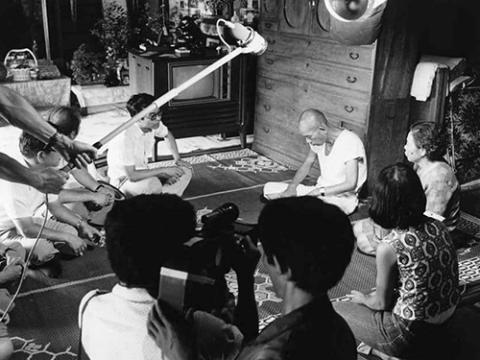
This experience does not come from the world of literature, it does not belong to the world of imagination, it is the very world of victims, looking into the movie camera, and in cold blood we commit the atrocity of reproducing in film what we should not even be allowed to see.
![Sanrizuka – Heta Buraku [Sanrizuka – Heta Village] (1973](/sites/default/files/styles/large/public/Prisma%20%2330_Front_02.jpeg?itok=QnfrcCk1)
Ik kijk naar Sanrizuka – Heta Buraku [Sanrizuka – Heta Village] (1973). Heta Village is een zachte, fijne regen die de wereld in de blik onherroepelijk metamorfoseert.
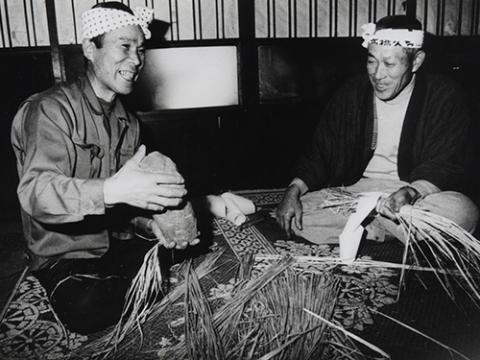
That is how this film has come into being, I think. Everything revolved around the axis of the time that our bodies harboured. Or maybe it was the space of the village that was carved into our bodies.
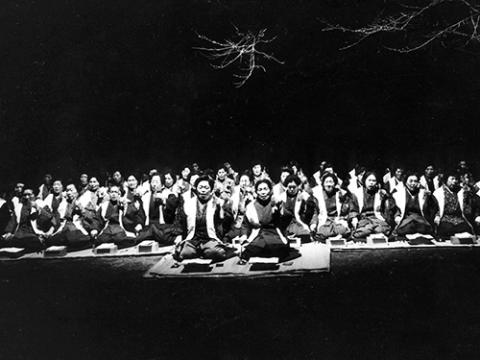
We made the scene in which the farmers perform themselves entirely with this kind of method: the villagers and we would bring up “ideas” and discuss them between ourselves; and while we grew closer to one another, we made the film. We didn’t want a reproduction of the story per se, but we wanted to document the heart and soul of the people who tell these stories.
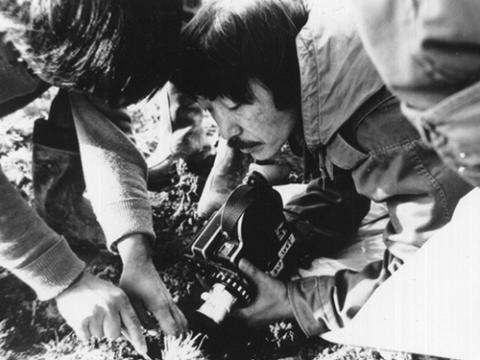
Film is something in which you are continually shown something, isn’t it? People who watch films each understand the images from their own point of view, translating them into their own time.
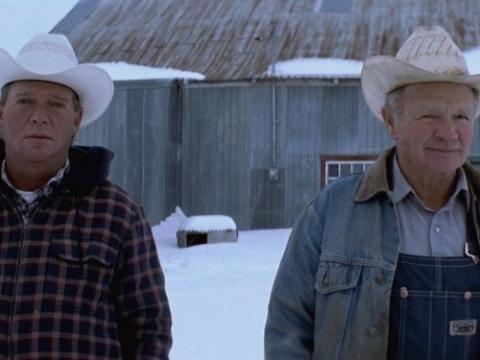
“Zijn we ons niet al te bewust van het feit dat het schouwspel op het doek altijd een constructie is? Geschilderd licht, letterlijk vermomd als Stil Licht?” Tim Bouwhuis over Carlos Reygadas’ Stellet Licht (2007).
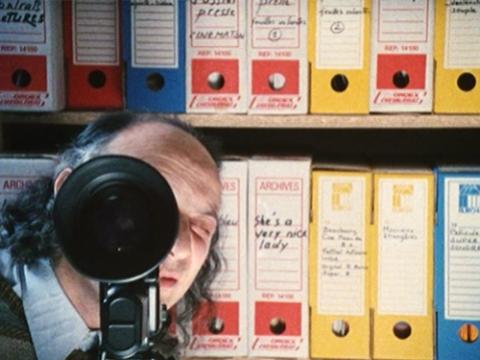
De films die ik gemaakt heb en die niet bestaan
“Als ik niet film, dan zie ik niets, onthoud ik niets, bomen noch gezichten. Als ik ze film, kan ik ze vergeten. Mijn film is mijn geheugen, een catalogus van feiten en gebaren, een (zeer onvolledige) inventaris van mijn leven.”
Les films que j’ai faits et qui n’existent pas
« Si je ne filme pas, je ne vois rien, je ne retiens rien, ni les arbres, ni les visages. Si je les filme, je peux les oublier, mon film est ma mémoire, un catalogue de faits et gestes, un inventaire (très incomplet) de ma vie. »
Echoes of an Intimate Language
I am looking for the poet’s language. I feel it, restless, like a promise. I reckon that if the language cultivates what is possible, horizons will open. I reckon that if certain poets and certain filmmakers make me euphoric, they do so through their intimate language. A rebellious and restless language. An archetypal language. A language that claws away and leaves its trace in me.
Echo’s van een intieme taal
Ik ben op zoek naar de taal van de dichter. Ik voel haar, rusteloos als een belofte. Ik denk dat als deze taal ontwikkelt wat mogelijk is, blikvelden zullen opengaan. Ik denk dat als bepaalde dichters en bepaalde filmmakers me euforisch maken, het door hun intieme taal is. Opstandige en onrustige taal. Archetypische taal. Taal die klauwt en sporen achterlaat in mij.
Échos d’une intime langue
Je cherche la langue du poète. Je la sens intranquille comme une promesse. Je me dis que si cette langue-là cultive les possibles, des horizons s’ouvrent. Je me dis que si certains poètes et certains cinéastes me rendent euphorique, c’est par leur intime langue. Langue révoltée et inquiète. Langue archétypale. Langue qui griffe et qui laisse en moi une trace.
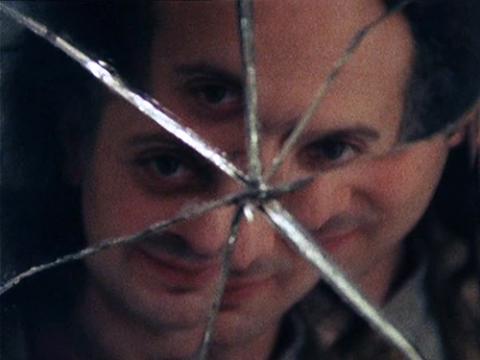
“Ik verberg mijn films voor de ogen van iedereen, ongetwijfeld als een soort van grap. Mijn films zijn niet erg zichtbaar, ik doe er niet vrijwillig afstand van, ik transporteer en projecteer ze bijna altijd zelf. Je moet mij bezoeken om mijn films te zien. Vandaar de verwarring die ik gaande houd, tussen mij en mijn films.”
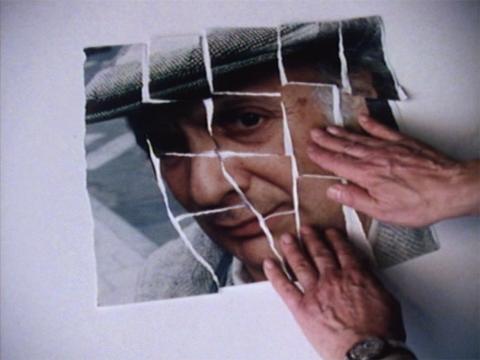
« Sans doute par dérision, je cache mes films aux yeux de tous. Mes films ne sont pas trop visibles, je ne m’en sépare pas volontiers, je les transporte et les projette presque toujours moi-même. Il faut me voir pour voir mes films. D’où cette confusion, entretenue par moi, entre mes films et moi. »
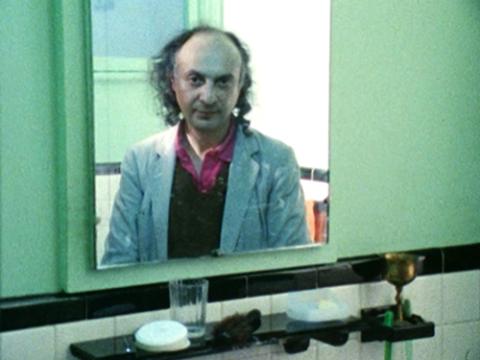
“Mijn films zijn als fabels, met de realiteit als decor. Ze ontlenen hun eenvoudige vorm aan het intieme dagboek en ze zijn autobiografisch, aangezien ze erg vaak spreken over een zoektocht naar identiteit en een onderzoek naar afstamming en ik er erg vaak in opduik als onderwerp en als personage.”
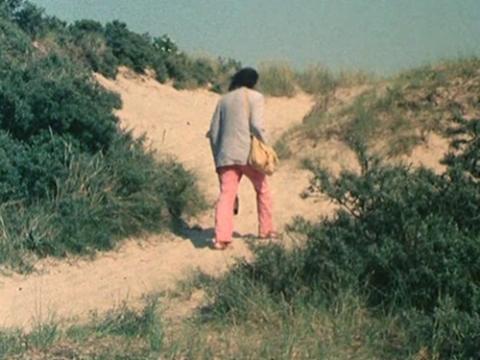
« Mes films sont comme des fables, avec pour décor le réel. Ils empruntent la forme simple du journal intime et ils sont autobiographiques, puisqu'ils parlent très souvent de quête d'identité et de recherche d'origine, et que j'y apparais très souvent comme sujet, et comme personnage. »
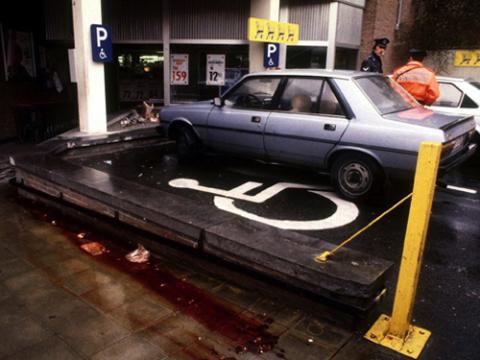
Stijn Coninx’ Niet schieten (2018) opent met de pancarte “Gebaseerd op waargebeurde feiten”. In de eindgeneriek staat iets anders: “Elke gelijkenis met bestaande personen of gebeurtenissen berust op louter toeval.”
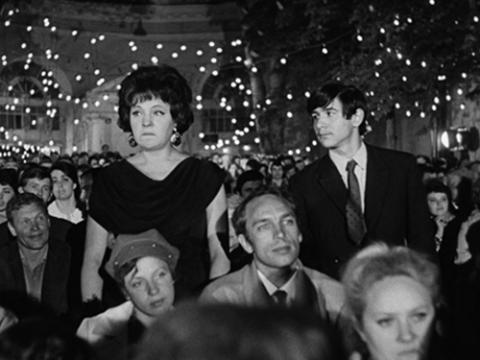
Conversation with Kira Muratova
“I’m fascinated by editing. It’s the part of filmmaking I love most. I could spend my whole life editing. I wouldn’t go out anymore. I would stop noticing the difference between day and night.” In 1988, Mart Dominicus and Mark-Paul Meyer conducted a conversation for Skrien with filmmaker Kira Muratova about her The Long Farewell (1971) and Brief Encounters (1968).
Zijn herinneringen kijken terug en in het voorbijgaan kan hij ze nog net een kleine vorm geven: iets als een beletselteken (“En ook wij”). Poëzie ontstaat pas nabij die van anderen. Wanneer ze langs de beeldrand zijn zelfportret binnenstappen, is Mekas tegelijk gast en gastheer.
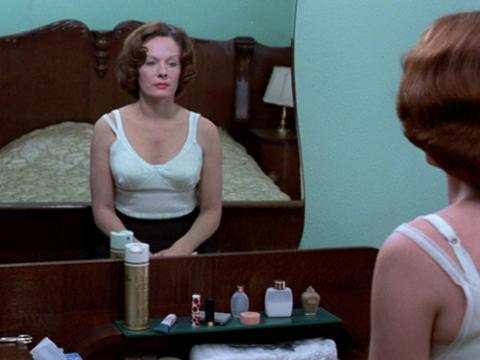
On Chantal Akerman
It is not a complicated or difficult film, rather a very simple and clean one. But it is not a natural, spontaneous film. The clarity and legibility of Jeanne Dielman is the result of self-discipline. In our culture clarity needs to be pragmatic-efficient, an argument needs to have the form of a road, including road signs. Force and energy need to be channelled into activist trajectories time and again, need to be labelled with a name and an address. Akerman slipped by and through all of that.
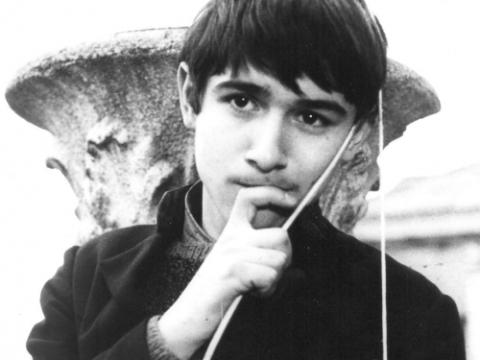
Gesprek met Kira Muratova
“Ja, Ik ben gefascineerd door montage. Dat is het onderdeel van het filmmaken waar ik het meest van hou. Ik zou mijn hele leven wel aan monteren kunnen besteden. Ik zou niet meer op straat komen, het verschil tussen dag en nacht zou me niet meer opvallen.” Mart Dominicus en Mark-Paul Meyer spraken in 1988 voor Skrien met cineaste Kira Muratova over The Long Farewell (1971) en Brief Encounters (1968).
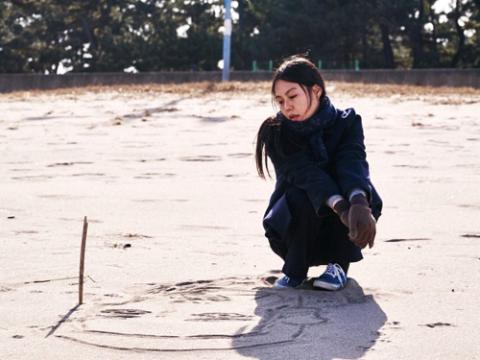
In Hong Sangsoo’s work there is a constant trait, which is neither really stylistic (it’s not a matter of form), nor frankly thematic (it’s not a matter of content either), and which returns, like a butterfly – and even, as its course is erratic, like a moth, the ultimate uncatchable insect. You will forgive me for calling this trait idiocy, a striking word that somehow touches the singular art, so difficult to describe in sentences, of this not exactly talkative filmmaker.
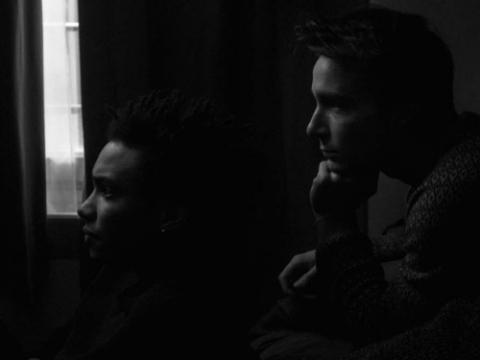
De personages van Mes provinciales (2018) – filmstudenten aan Paris VIII – bewegen zich voort in een absolute leegte. Hun universum lijkt onthecht van tijd en ruimte. Hoe zijn ze in deze treurnis verzeild geraakt? Als cinefielen dragen ze de erfenis van hun voorgangers met zich mee.
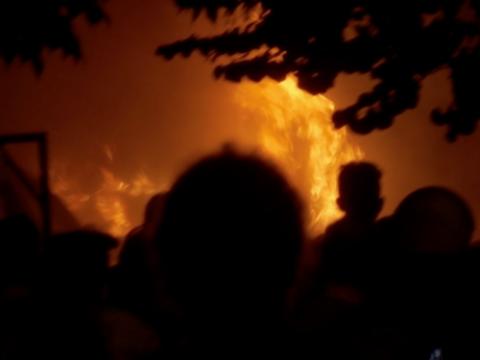
Als kannibalen van de waarheid schrijven de overwinnaars hun geschiedenis en L’Espérance is duidelijk over wie won, wie verloor. Uit de openingswoorden van Combat au bout de la nuit “Grèce 20142016” spreekt zijn direct verlangen om een geschiedenis neer te schrijven.

In remembrance of Derek Jarman’s Blue
In an interview with Jeremy Isaacs in 1993, Derek Jarman, wittingly nearing the end of his chromatic life, claimed that when he would be gone he’d like to evaporate and take his works with him: “to disappear completely.” During that interview Jarman describes his then soon to be final feature film Blue (1993) as a dedication to Yves Klein and a self-portrait of sorts. The film would be void of image and would draw its animation from a monologue performed by himself and others (Nigel Terry, John Quentin, and Tilda Swinton) on his life living with illness; and the screen would be illuminated as a rich and vibrating blue colour field – a proposal to which Isaacs cried out, “What on earth do you mean, ‘a blank blue film’?”
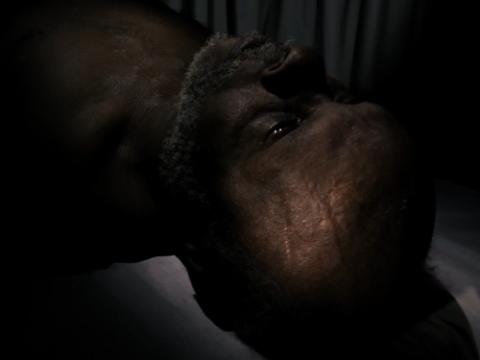
Een gesprek met Jacques Rancière
Fictie is overal. De vraag is: waar situeren we het beginpunt van fictie? Welke schikking zorgt ervoor dat er iets gebeurt? In zekere zin kunnen we zeggen dat er sprake is van fictie zodra een soort narratief ons vertelt of laat zien dat er iets gebeurt. Daarom ben ik in mijn recente werk vooral geïnteresseerd in het verkennen van de grenzen van fictie, de grens tussen ‘er gebeurt niets’ en ‘er gebeurt iets’.
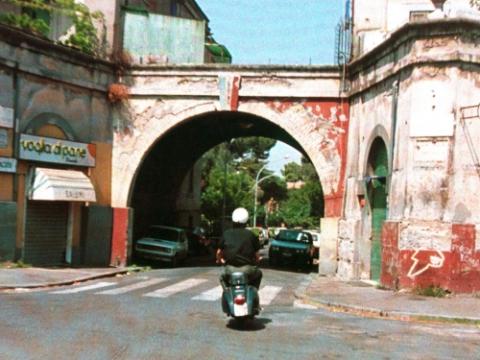
In de dode, loden zomer rijdt Nanni Moretti in Caro diario (1993) op een Vespa door de verlaten Romeinse straten met cinema als enige alibi: om de villa’s in zijn geliefde wijk Garbatella te kunnen bewonderen, doet Moretti zich voor als een regisseur op zoek naar locaties voor een nieuwe film “over een trotskistische bakker in het Italië van de jaren vijftig... Het wordt een musical.”
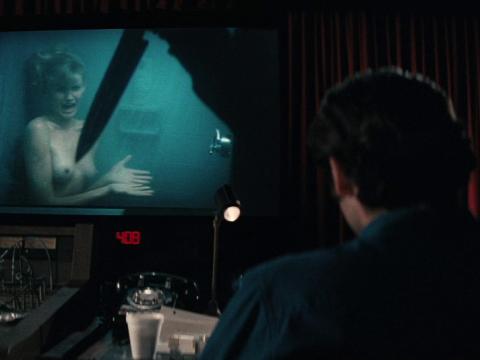
Brian De Palma’s Blow Out
De camera van Brian De Palma richt zich in de eerste plaats op cinema zelf. Hij brengt verslag uit als een schilder die enkel over de schilderkunst kan rapporteren door zelf een schilderij te maken. Blow Out (1981) is een making-of, niet als een instructievideo die technisch uiteenzet hoe een film tot stand komt, maar als een spiegel die reflecteert over het wezen van cinema. In die spiegel zien we een ruimte waarin een andere variant van de werkelijkheid leeft. Het bekende beeld krijgt als reflectie een nieuwe vorm, zoals de tekens in een boek dat voor de spiegel gehouden wordt.
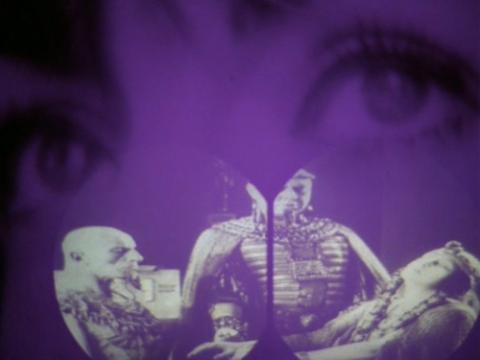
“Cinema is de publieke hoofdzetel van gevoelens in de twintigste eeuw,” aldus Alexander Kluge in het boek dat dient ter begeleiding van Die Macht der Gefühle (1983), een film die hij zelf beschouwt als een sleutelwerk in zijn voortdurend streven om gevoelens te herdenken in hun complexiteit en capaciteit.
Alexander Kluge in gesprek met Florian Hopf over de film Die Macht der Gefühle
Een politiek die sterk genoeg zou zijn om oorlogen en fascisme te vermijden, niet nadat ze gewoed hebben maar voordat ze zich ontwikkelen, kan ik mij enkel voorstellen als het een politiek is die alle gevoelens beheerst. Als er ook maar één ontbreekt, dan heeft ze meteen een achilleshiel. We moeten gevoelens dus uit hun babylonische gevangenschap bevrijden. Uit hun vaderland verjaagd zijn gevoelens verraders geworden. Ze vergissen zich en hebben een bepaalde blindheid aangenomen die ze van huis uit niet hebben.
Het documentatieprincipe hoort van bij het begin bij de film. Het betekent niets anders dan objectiviteit. We kunnen zeggen: “Oké! Vanaf nu wordt de film niet-objectief, nu worden we allemaal niet-objectief.” Maar altijd enkel op de achtergrond van de objectiviteit. Dat is de voorwaarde voor iets interessants, voor het vertellen van verhalen, voor waarachtigheid, voor spanning.
Director’s Statement
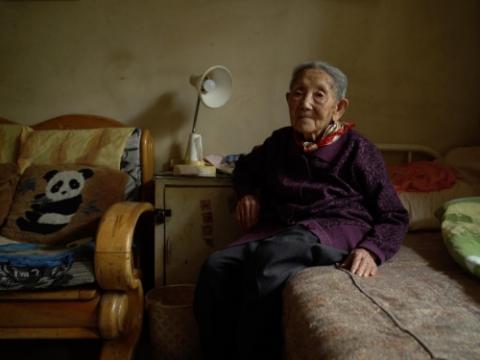
“When making a documentary film about events that happened nearly sixty years ago, an oral history format is an easy choice, but I have deliberately chosen not to take this approach. Instead I hope to show, through the lives of the Jiabiangou survivors, how the present speaks to the past.” Wang Bing wrote this text in 2012 as a treatment for the movie Past in the Present (2018). Later, the name was changed into Dead Souls.
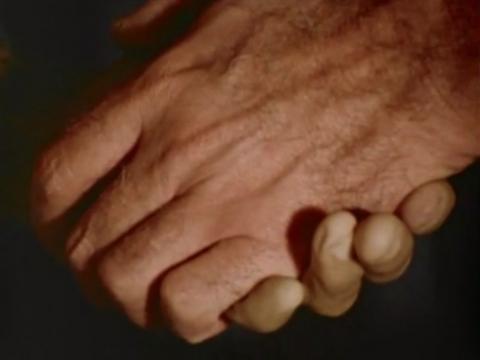
In The Act of Seeing with One’s Own Eyes (1971) legt Stan Brakhage autopsieën vast als een parade van de doden.
Toen de eerste toeschouwers van de cinematograaf van de gebroeders Lumière in 1895 een trein het station van Lyon zagen binnenrijden, werd de cinema geboren onder het teken van het reële. Toen diezelfde toeschouwers Repas de bébé [1895] bijwoonden, had je kunnen denken dat de roeping van de cinema sociologisch van aard was. In werkelijkheid was de cinema voorbestemd om een buitengewone droommachine te worden, door het fotografische beeld onlosmakelijk verbonden aan de realiteit, terwijl de schilderkunst, die tot dan een figuratieve kunst was geweest, zich er steeds vastberadener van bevrijdde.
Lorsqu’en 1895, les premiers spectateurs du cinématographe Lumière virent un train entrer en gare de Lyon, le cinéma était né sous le signe du réel. Lorsque ces mêmes spectateurs assistèrent au Repas de bébé [1895], l’on pouvait aussi croire que sa vocation était d’ordre sociologique. En fait il était voué à devenir une formidable machine à rêves, indissolublement liée par l’image photographique à la réalité, alors que la peinture, qui jusqu’alors avait été un art figuratif, s’en affranchissait de plus en plus résolument.
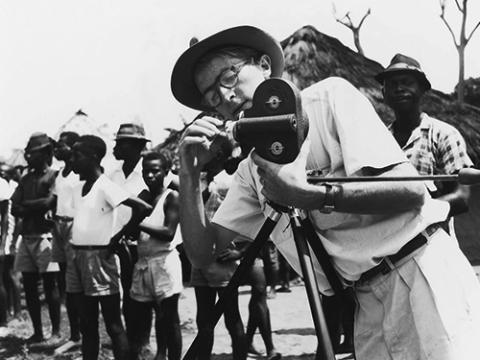
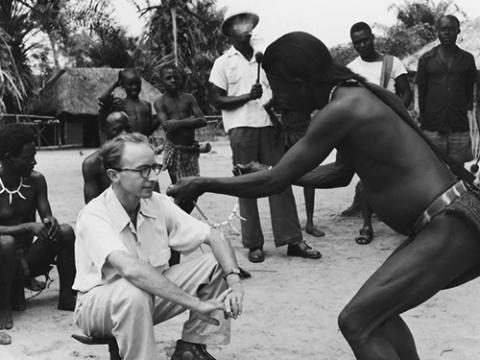
Je zou daarom kunnen zeggen dat zijn kunst de samenleving is, maar dan bekeken vanuit een bepaald temperament, want daaraan ontbrak het de Heusch niet. Dat temperament stelt hem in staat om uit te barsten in een soort van bijtende, ja zelfs burleske geestdrift waarvan bepaalde trekken zich al lieten opmerken in zijn vroegere films. Je hebt goede ogen nodig om de films van de Heusch te bekijken.
On pourrait dire alors que son art serait la société vue à travers un tempérament, de Heusch n’en manque pas. Ce tempérament peut l’amener à faire exploser une sorte de verve caustique, voire burlesque, dont certains traits dans ses films antérieurs laissaient apercevoir le bout de l’oreille. Il faudra de bons yeux pour voir les films de de Heusch.
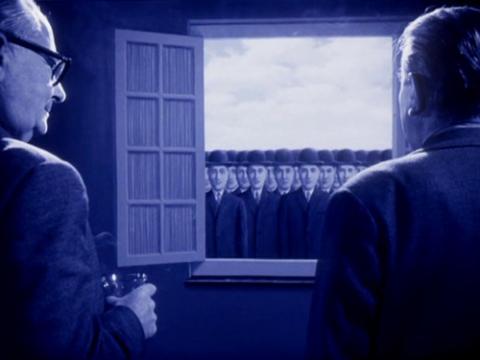
Laten we ons een ideale, utopische aanpak voorstellen: de onbeweeglijke camera van de gebroeders Lumière filmt met volle kracht, gedurende vele jaren, Cézanne die rustig een berg schildert, steeds weer dezelfde. Vandaag zou het resultaat ons even buitengewoon toeschijnen als een film van Michael Snow. Als we, bij gebrek aan middelen, wat minder hoog mikken, is het belangrijk dat de schilder en de filmmaker de risico’s delen.
Imaginons une approche idéale, utopique : la caméra immobile des frères Lumière filme à tour de bras, durant plusieurs années, Cézanne peignant calmement une montagne, toujours la même. Le résultat, aujourd’hui, nous paraîtrait aussi prodigieux qu’un film de Michael Snow. Si, faute de moyens, on ne vise pas si haut, il faut bien que le peintre et le cinéaste partagent les risques.
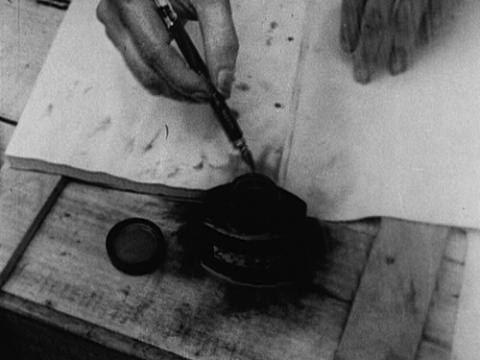
Maar je moet al in een technologische wereld geboren zijn om dat soort van medium succesvol te gebruiken. En zie mij hier, gruwelijk verscheurd tussen iets onbeweeglijks dat al geschreven is en de komische beweging die 24 beelden per seconde tot leven wekt.

Encore faut-il être bien né dans un monde technologique pour utiliser ce genre de moyen avec succès. Et me voici cruellement partagé entre quelque chose d’immobile qui a déjà été écrit et le mouvement comique qui anime 24 images par seconde.
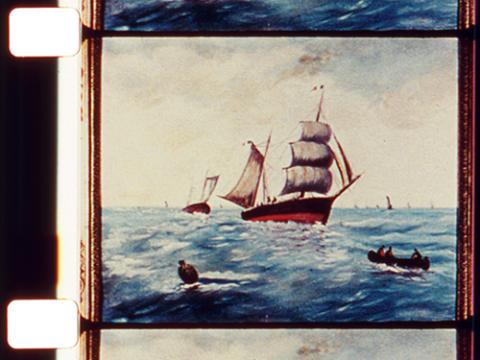
Een interview met Marcel Broodthaers
Voordat ik op uw vraag antwoord, wil ik graag even zeggen dat ik geen cineast ben. Voor mij is film een verlengstuk van de taal. Mijn keuze viel eerst op poëzie, daarna op beeldende kunst en ten slotte op film, waarin verschillende kunstelementen zijn verenigd: het schrijven – poëzie –, het object – beeldende kunst – en het beeld – film. De grote moeilijkheid zit hem natuurlijk in het harmonisch samenbrengen van die elementen.
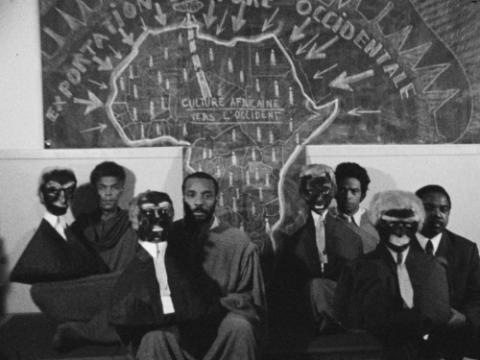
Entretien avec Med Hondo et Robert Liensol
Toutes les scènes partent de réalités. On n’invente pas le racisme, surtout au cinéma. On ne l’invente pas. Ce sont des choses bien précises que vous subissez et que vous enveloppent. C’est une espèce de manteau qu’on vous met dessus et avec lequel vous êtes obligé de vivre. Toutes les scènes un peu anecdotiques, même celles qui sont poussées à l’extrême, partent d’une expérience vécue.
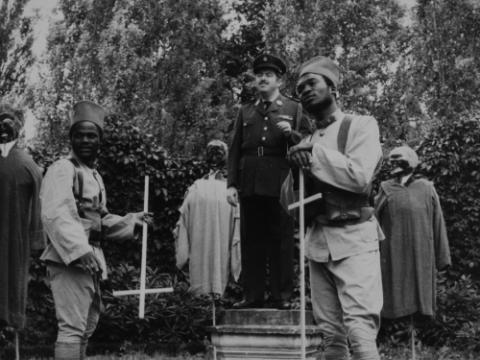
Je ne veux pas faire du cinéma pour faire du cinéma. Non. Je veux dire certaines choses, totalement. Quand j’ai écrit mon scénario, je n’ai pas pensé à un public, ni au facteur commercial ni aux critiques. Je vivais en France avec un sentiment de minoritaire et j’ai voulu vomir des choses que j’avais sur le cœur. Oui, oui, vous pouvez l’écrire : Soleil Ô est un vomissement.
‘Armstrong’, ‘Het einde van de wereld’, ‘Duizend jaar in het leven van een vogel’ en ‘Weekend’
De dood is een vogeldief.
En het is door haar dat ik nu weet,
Dat ik een vogel was.
« Armstrong », « La fin du monde », « Mille ans de la vie d’un oiseau » et « Week-end »
La mort est une voleuse d’oiseaux.
Et c’est par elle que je sais maintenant,
Que j’étais un oiseau.
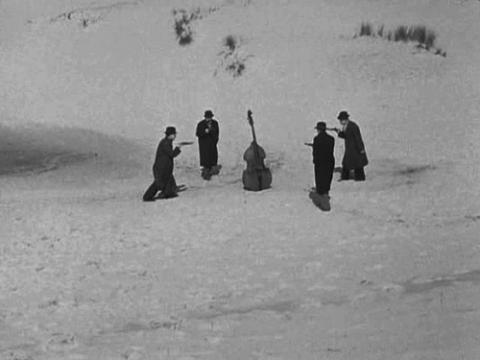
De ogen die een film zien zijn niet gelijk aan de ogen die verstrooid een gedicht doorlezen; ze zijn oplettender, wakkerder, gevoeliger. Er gaapt een diepe kloof tussen een gedicht van Salvador Dalí en een schilderij van Salvador Dalí; wanneer hij schildert, heeft Dalí altijd gelijk. De kracht van het beeld dringt ons de aanwezigheid van de poëzie onmiddellijk op; het beeld overtuigt lauwhartigen, brengt aanhangers op de been, trekt nieuwsgierigen aan: iedereen wil zien en dat betekent vaak ook nieuwe volgelingen.
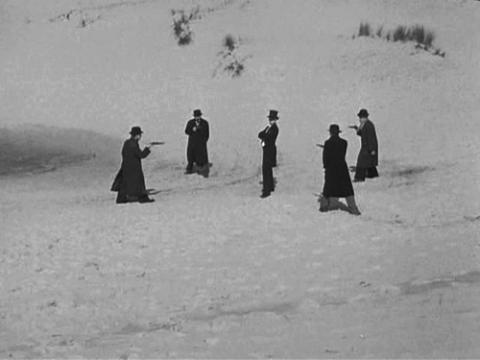
Les yeux qui voient un film ne sont pas les mêmes que ceux qui parcourent distraitement un poème ; ils sont plus attentifs, plus éveillés, plus sensibles. Un abîme existe entre un poème de Salvador Dalí et une peinture de Salvador Dalí ; quand il peint, Dalí a toujours raison. La vertu de l’image impose immédiatement la présence de la poésie ; elle convainc les tièdes, rallie les partisans, elle attire les curieux : tout le monde veut voir, et voilà souvent de nouveaux adeptes.
Rondom Vertigo
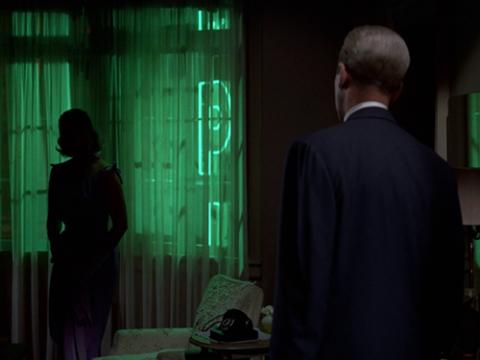
Madeleine is niets en is nooit iets anders geweest dan wat verschijnt. Dat is wat Scottie ervaart wanneer haar hyperreële simulacrum op hem toe stapt. Dat is ook wat hem door zijn verrukking heen verontrust: niet dat het beeld plotseling al te werkelijk wordt, maar dat het zichzelf als enige werkelijkheid openbaart, dat het niets verbergt.
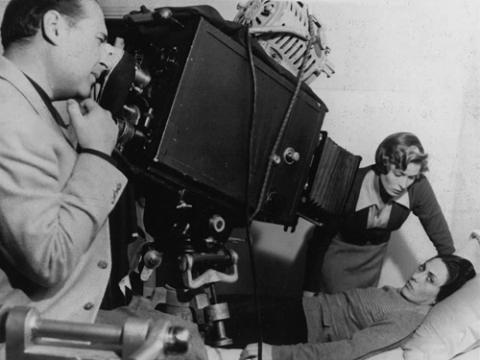
Ik zou graag enkele gedachtes delen die zich vormden na een aantal ervaringen met het acteren voor een camera. Deze ervaringen zijn heel specifiek en persoonlijk, maar hebben volgens mij de mogelijkheid om een algemener begrip te schetsen van acteren voor een camera en zelfs film en theater in het algemeen. Aan de hand van persoonlijke ‘waarheden’ kwam ik tot een paar verzamelbegrippen die werkzaam kunnen zijn wanneer we over acteren trachten te spreken.
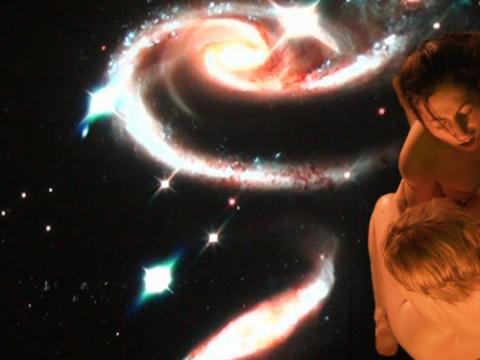
Que le diable nous emporte van Jean-Claude Brisseau bevat een vreemde scène: op kitscherige kosmosplaatjes prijken wriemelende vrouwenlichamen, hun silhouetten onnauwkeurig afgesneden als ware het met een botte schaar.
Een interview met Miklós Jancsó
In 1980 had het filmtijdschrift Andere Sinema tijdens Film International ’80 [te Antwerpen] een gesprek met de Hongaarse filmmaker Miklós Jancsó. Jancsó begon het interview met te stellen dat er de laatste tijd in Oost-Europa heel wat verandering te bespeuren valt op het vlak van het politiek en artistiek denken. Jancsó: “Je moet de wereld niet alleen analyseren om hem te veranderen. Dat was de fout die Stalin beging. Voor hem was verandering belangrijker dan analyse. Je moet dus de wereld analyseren VOOR de verandering.”
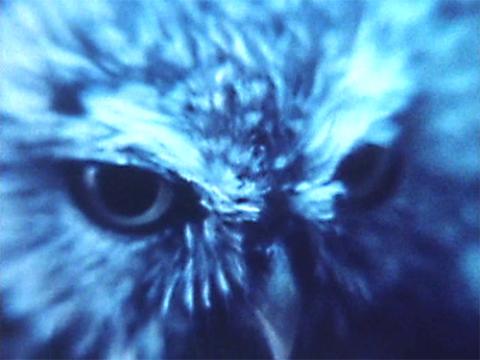
Twee gezichtspunten op de wereld en op de geschiedenis dienen zich aan. Eerst de vogelvlucht van de uil, soeverein nachtdier met scherpe klauwen en ogen die het donker oplichten, dan de zoekende draf van een kattin die haar weg baant in een wereld, die haar nu eens vijandig gezind is, haar dan weer haast achteloos liefkoost. Je lijkt als kijker de hele tijd op het punt te staan iets groots te ontdekken, tegelijk bovenaanzicht en “middeninzicht” te bezitten, tegelijk fragment en geheel, geleefde en historische tijd te kunnen aanschouwen. Het is alsof je heel even kunt zien dat wat zich hier afspeelt, ook elders is, als de beide zijden van een omgevouwen blad papier.
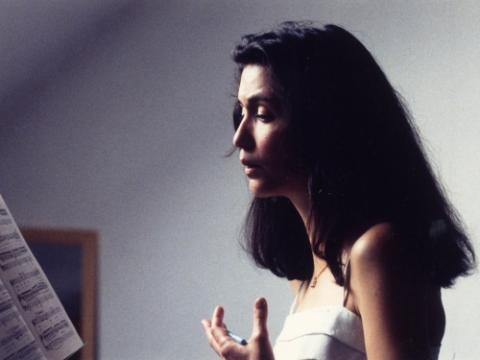
Le sujet de tous les films du monde, c’est : je t’aime-tu m’aimes, ou alors, je t’aime-tu ne m’aimes pas ; je et tu, répartis entre amants et parents. Ce film a pour sujet le sujet de tous le films : mon « cher » sujet, mon cher « sujet ».
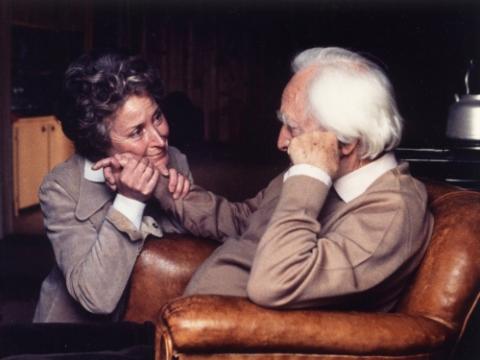
The subject of all the films in the world is: I love you-you love me, or rather, I love you-you don’t love me; I and you, distributed among lovers and parents. This film’s subject is the subject of all films: my “dear” subject, my dear “subject.”
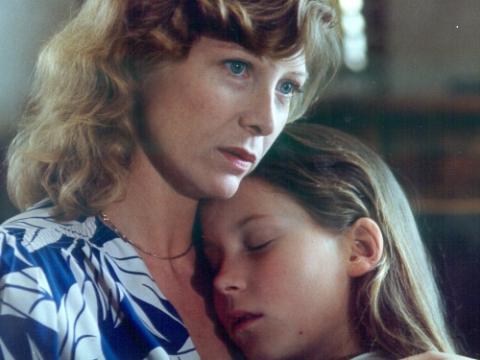
A l’orée des films d’Anne-Marie Miéville, avant même que le récit ne pointe ses orteils, au premier souffle enregistré par la caméra, une bouffée d’air sonore amorce un seuil où installer le spectateur. Strictement au présent. Un pas dehors, un pas à l’intérieur. On peut avoir l’illusion d’assister au tournage, (parfois avant : à son préambule), et que ce qui s’y déroule, l’instant dramatique, est également le nôtre.
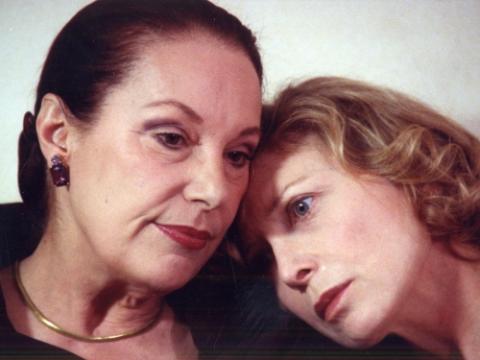
At the edge of Anne-Marie Miéville’s films, even before the story wriggles its toes, with the first breath recorded by the camera, a resounding gust of air initiates a threshold at which to place the spectator. Strictly in the present. One foot outside, one foot inside. We could be under the illusion that we’re attending the making of the film (sometimes even the prelude to the shooting itself) and that what goes on there, the dramatic moment, is also ours.
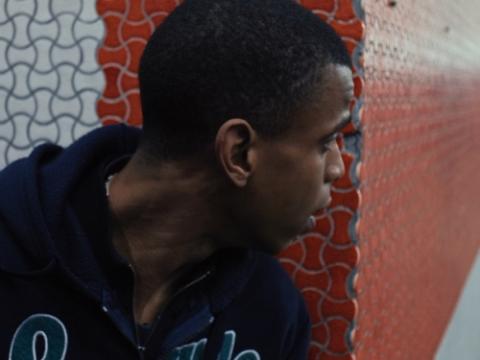
Sur Etangs Noirs (Timeau De Keyser & Pieter Dumoulin, 2018)
Nina de Vroome sur Etangs Noirs (2018) de Pieter Dumoulin et Timeau De Keyser : « Le visage de Jimi (Cédric Luvuezo) s'éclaire dans l'obscurité. C'est un visage qui écoute, qui re-garde, qui passe la nuit à chercher Sayenna Calmels pour lui remettre un colis livré chez lui par erreur. »
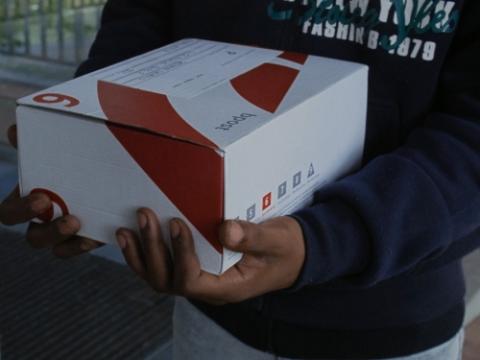
On Etangs Noirs (Timeau De Keyser & Pieter Dumoulin, 2018)
Nina de Vroome on Etangs Noirs (2018) of Pieter Dumoulin and Timeau De Keyser: “The face of Jimi (Cédric Luvuezo) lightens in the dark. It is a face that listens, that watches, that goes around in the night to look for Sayenna Calmels and to give her the package that was delivered to him by mistake.”
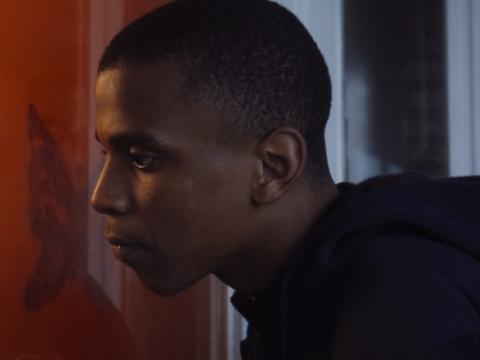
Over Etangs Noirs (Timeau De Keyser & Pieter Dumoulin, 2018)
Nina de Vroome over Etangs Noirs (2018) van Pieter Dumoulin en Timeau De Keyser: “Het gezicht van Jimi licht op in de duisternis. Het is een gezicht dat luistert, dat kijkt, dat in de nacht rondgaat op zoek naar Sayenna Calmels om haar het pakket te geven dat per abuis bij hem bezorgd werd.”
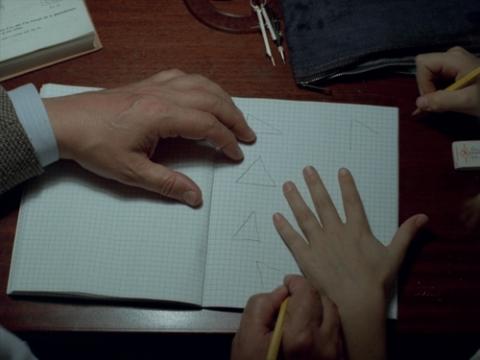
Making a film is like a laboratory for a whole thought process, a place where one can take stock, not only of one’s own personal development, but also other people’s. It is a very privileged creative space where something can be grasped that might otherwise drift off like smoke and disappear. However, at times, I have dreamed of doing something completely different because filmmaking is the work of sublimation, as they say, and therefore restrictive. Afterwards, there is not necessarily an exchange or a return that could keep things alive. You have to start over and begin creating again immediately. If you stop, things get very quiet.
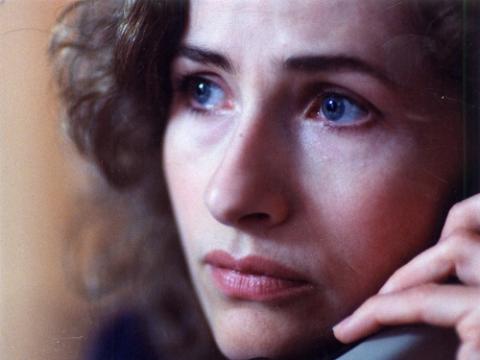
Faire un film est un lieu d’expérimentation de tout un travail de réflexion, un lieu où l’on peut rendre compte de son cheminement personnel mais aussi de celui des autres, c’est un espace de création très privilégié où l’on arrive à rendre compte de quelque chose qui aurait pu partir en fumée. Mais j’ai quelquefois rêvé de faire tout autre chose parce que c’est un travail de sublimation comme on dit, donc forcément restrictif. Après, il n’y a pas forcément d’échange, de retour, pour que ça reste vivant, il faut tout de suite recommencer à créer, refaire immédiatement quelque chose ; si on arrête, c’est très silencieux.
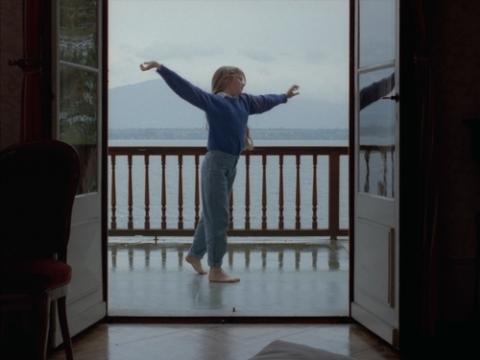
Een film maken is een plek van experiment voor een heel reflectiewerk, een plek waar je verslag kan uitbrengen over je eigen ontwikkeling maar ook over die van anderen, het is een ruimte van erg bevoorrechte creatie waar men zich rekenschap kan geven van iets dat in rook zou kunnen zijn opgegaan. Maar ik heb soms gedroomd om heel andere dingen te doen omdat het een werk van sublimatie is, zoals men zegt, en dus erg beperkend. Achteraf is er niet noodzakelijkerwijs uitwisseling, terugkoppeling, opdat het levend blijft, moet je meteen opnieuw beginnen creëren, onmiddellijk opnieuw iets maken; als je stopt, wordt het erg stil.
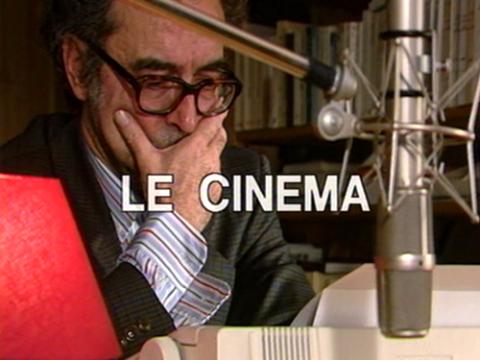
For the cinema, as Godard once said, is “transitory, ephemeral”, written on the wind; inscribed only in fleeting traces, some disconnected images and sounds, and sentimentally overloaded, scrambled memories. Cinema is hard evidence, but only fitfully can it serve as a testament; death is too much at work there. It is the form of this remembered, necessarily scrappy, haunted, sad history of the twentieth century that Godard evokes in all the prodigious techniques of his Histoire(s) du cinéma.
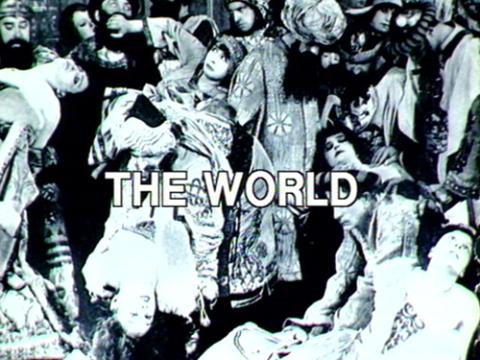
Want cinema is, zoals Godard eens zei, “voorbijgaand, efemeer”, geschreven op de wind; gegraveerd in vluchtige sporen, wat onsamenhangende beelden en geluiden en sentimenteel overladen, dooreengehaspelde herinneringen. Cinema is een hard bewijs, maar is grillig als testament; ook de dood is hier aan het werk. Het is de vorm van deze herinnerde, noodzakelijkerwijze fragmentarische, rondspokende, trieste geschiedenis van de twintigste eeuw die Godard evoceert met alle wonderbaarlijke technieken van zijn Histoire(s) du cinéma.
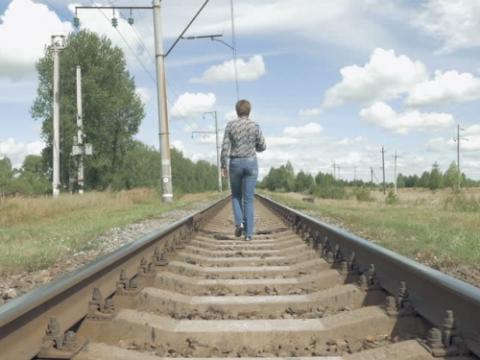
She doesn’t fit in with the established order, but the organized anarchy the Tramp’s force was able to create, as rigorous as it was pointless, has been cancelled out.