Lionel Rogosin

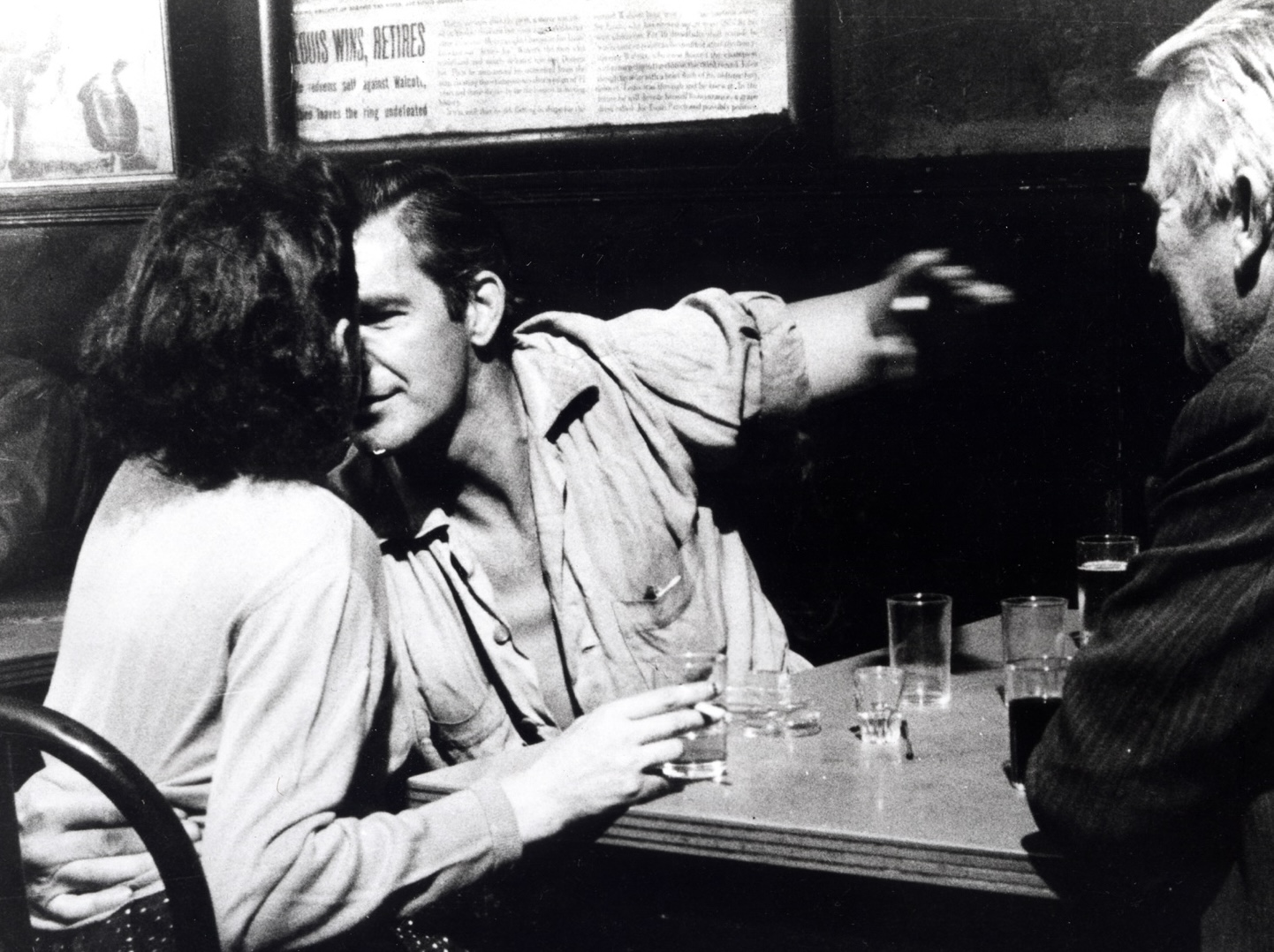
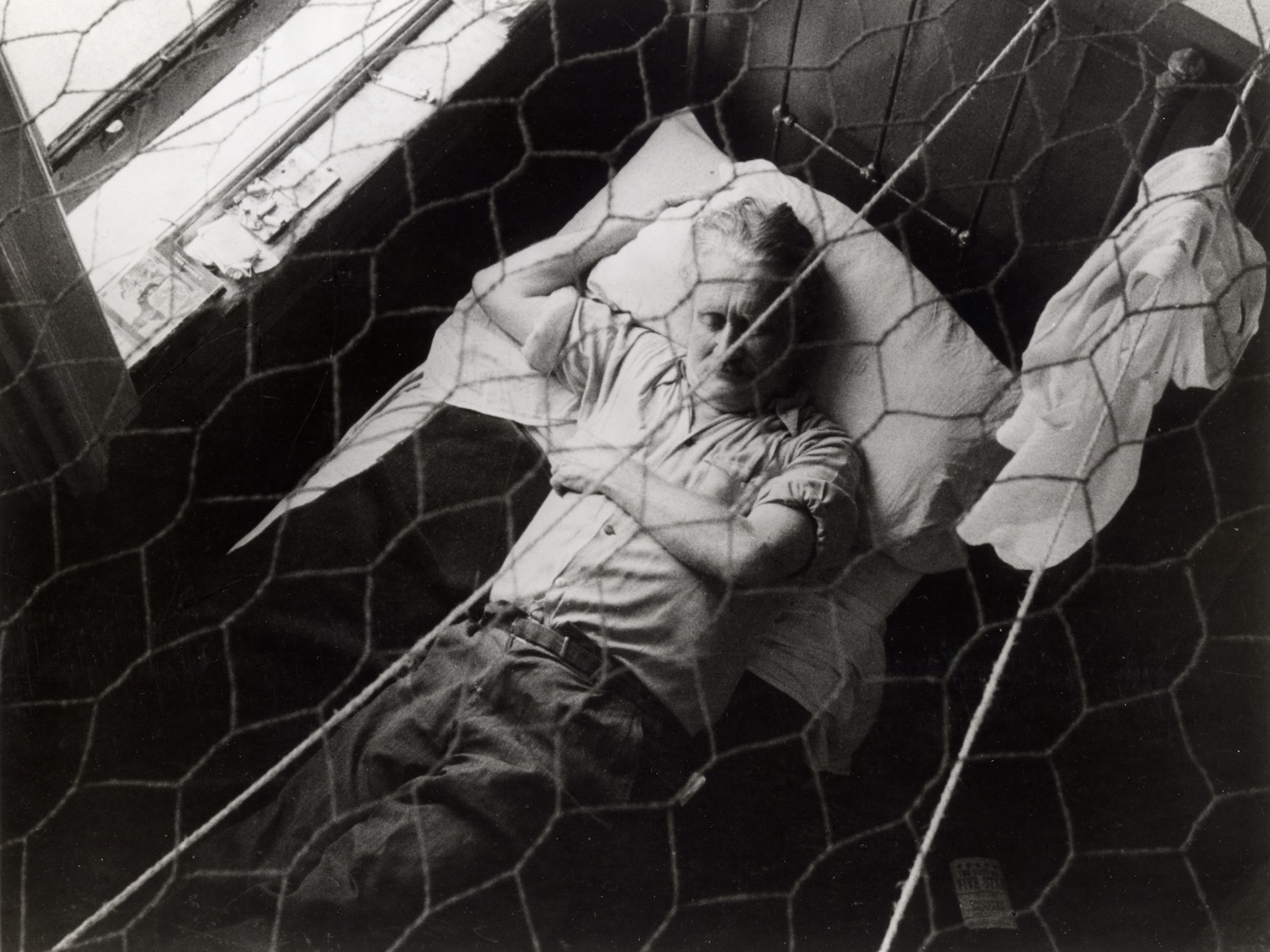
Lionel Rogosin (1924–2000) was an American filmmaker whose radical cinema confronted poverty, racism, apartheid and war. After studying chemical engineering at Yale and serving in the U.S. Navy during the Second World War, he abandoned a career in his family’s business to make films. His debut, On the Bowery (1956), was filmed in the Bowery, a notorious neighbourhood beneath New York’s famous elevated railway, observing its streets, bars, flophouses and missions. He followed it with Come Back, Africa (1959), filmed clandestinely under apartheid, and Good Times, Wonderful Times (1965), an anti-war film juxtaposing a London cocktail party with images of war. His later films included Black Roots (1970), Black Fantasy (1972), Woodcutters of the Deep South (1973), and Arab Israeli Dialogue (1974). He also founded the Bleecker Street Cinema, a crucial venue for independent and experimental cinema in New York.
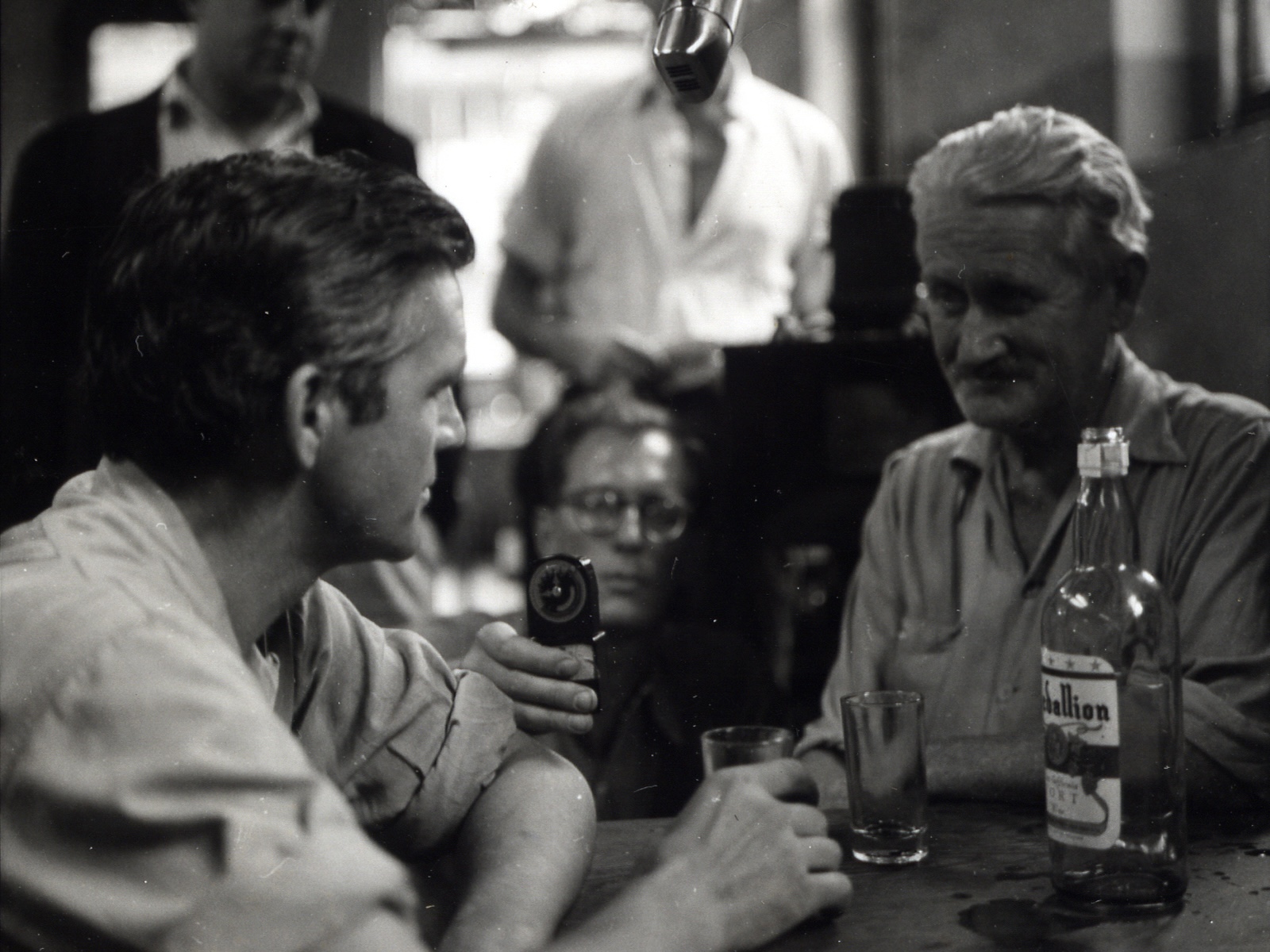
Lionel Rogosin, 1998
ARTICLE
EN

For months I just observed the life on the Bowery, at all hours of the night and day and I developed some absurd schemes. At one point I decided I had to photograph men in the bars secretly. I had a box made for my Bolex camera with a hole in it for the lens. Naturally the results were pathetic and I gave that method up. It was then that I abandoned all pretense of secrecy and decided to come out in the open. Eventually I found out that if I told the people what I wanted to do they were very cooperative and ever since that has always been my method if possible.

Lionel Rogosin, 1998
ARTICLE
EN

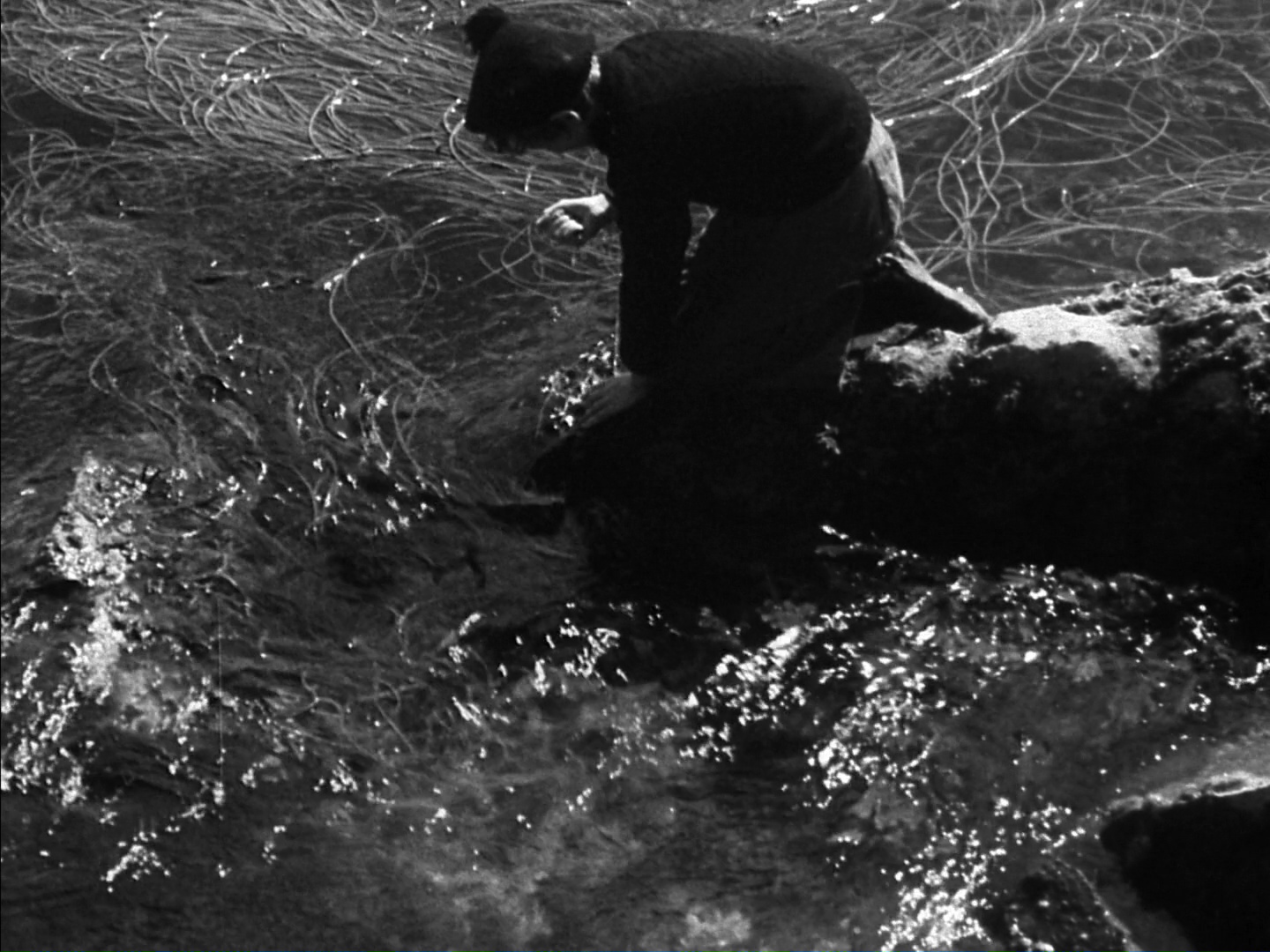
When I was approximately eleven years old and performing the Saturday afternoon ritual of attending the local movie theatre, Flaherty’s Man of Aran unrolled upon the screen and I was suddenly aware of an extraordinary sensation. It was similar to the reaction a Siberian nomad would have had upon his first view of the ocean; awe and disbelief.

Lionel Rogosin, 1974
ARTICLE
EN

The situation is very similar to growing wheat on the prairies before you have a rail road. This wasn’t and couldn’t be done because there would have been no way to get the wheat to the market and to the people who would eat it. The same is true of film production and distribution. There is no way of making films if there is no way of getting people to see them.

Lionel Rogosin, 1972
ARTICLE
EN

The artist is driven by his material, his subject matter is what gives him the form. “It is a love-affair with truth,” in which the subject eventually becomes master. If the film-maker has a preconceived form, he will treat all subjects with the same form, he will be inflexible and over-stylised, without versatility. The form must grow like a living thing out of the material. If this is itself a principle, it is an infinitely variable one – a mystery.