Week 37/2026
The summer holidays are slowly coming to an end. We are still in cinema’s low tide season, so here is another occasion to return to the classics. As I find myself nostalgic for the carefree summers of the past, these films offer various strategies of dealing with our memories.
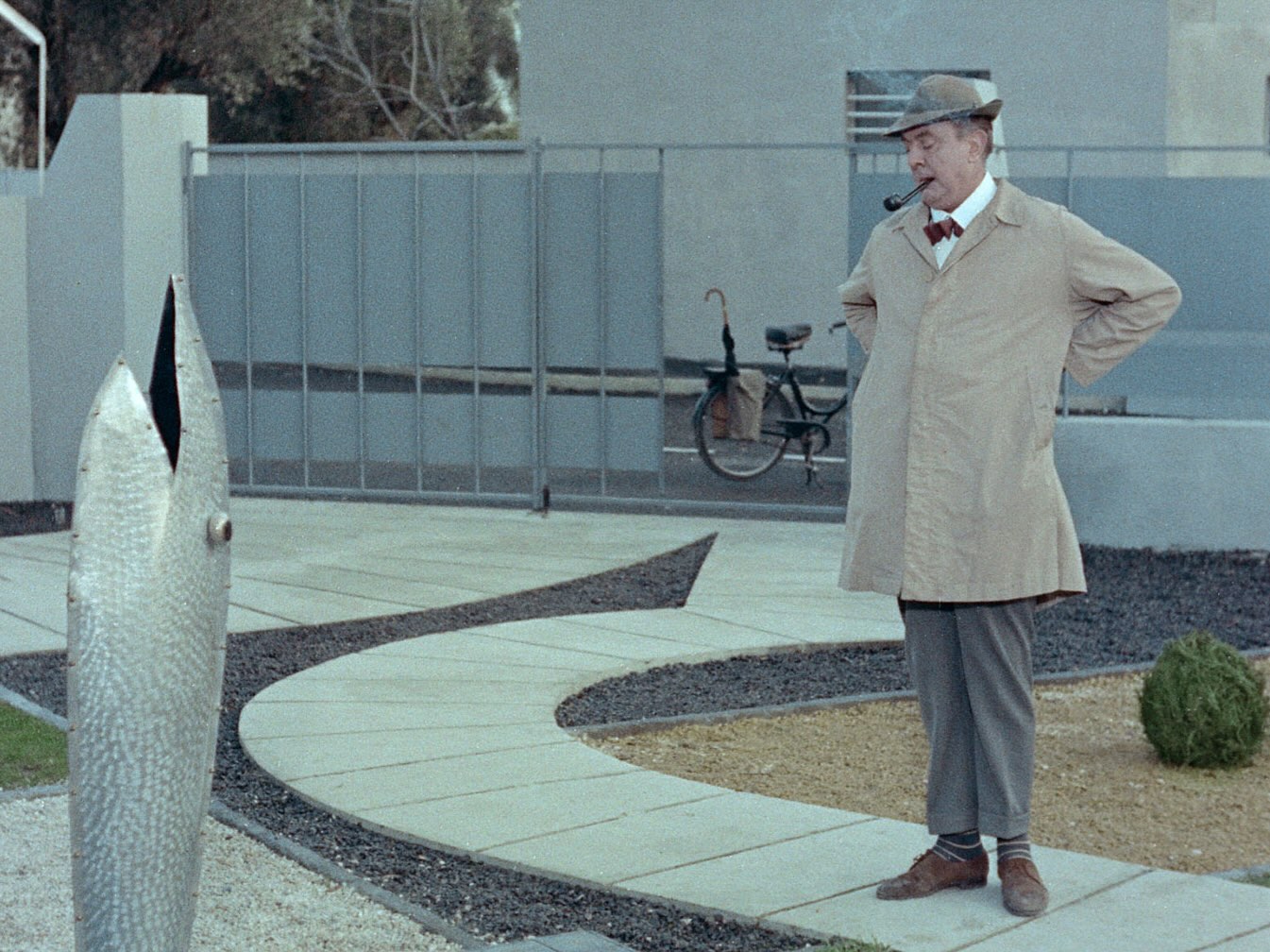
Mon oncle (1958) might be my dearest film, in which Jacques Tati refuses nostalgia and its defeat. He remembers: “I had the misfortune of being a modern child and ahead of my time. I grew up in a strict and grey cube, like those houses nowadays. I walked, obediently, thoughtfully, on the paths of a city garden”, until he invented his own ways of moving through space. As Kristin Ross writes: “Hulot may well be out of step, but his step is often brisker than other people’s. His body leans forward – purposefully – into the future.”
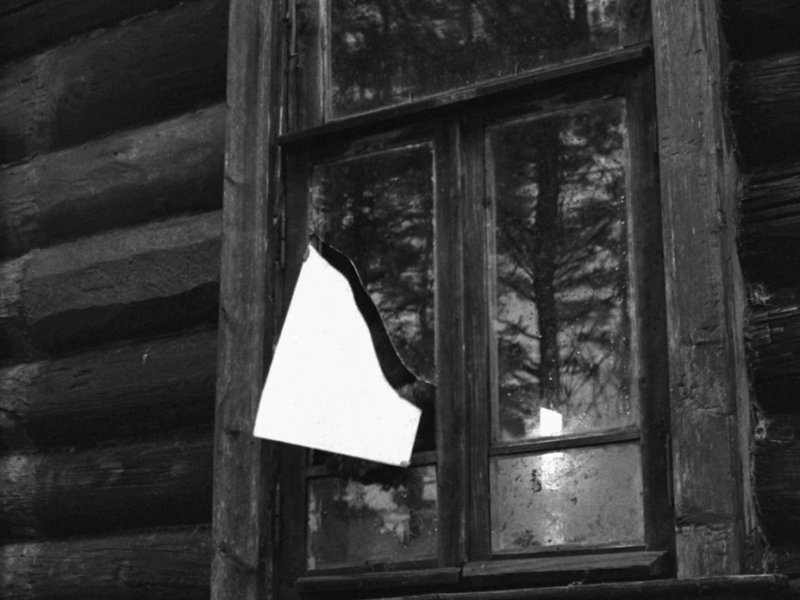
Andrei Tarkovsky’s work consists of remembering. As Jeremy Robinson writes, The Mirror is “the geography of memory (…). A movie of acutely remembered places.” In an interview Tarkovsky sighs, “Generally, we all pretend to be informed, when in fact we all know nothing about people who lived two or three centuries ago.” Remembering the past far beyond the limits of childhood becomes his aim.
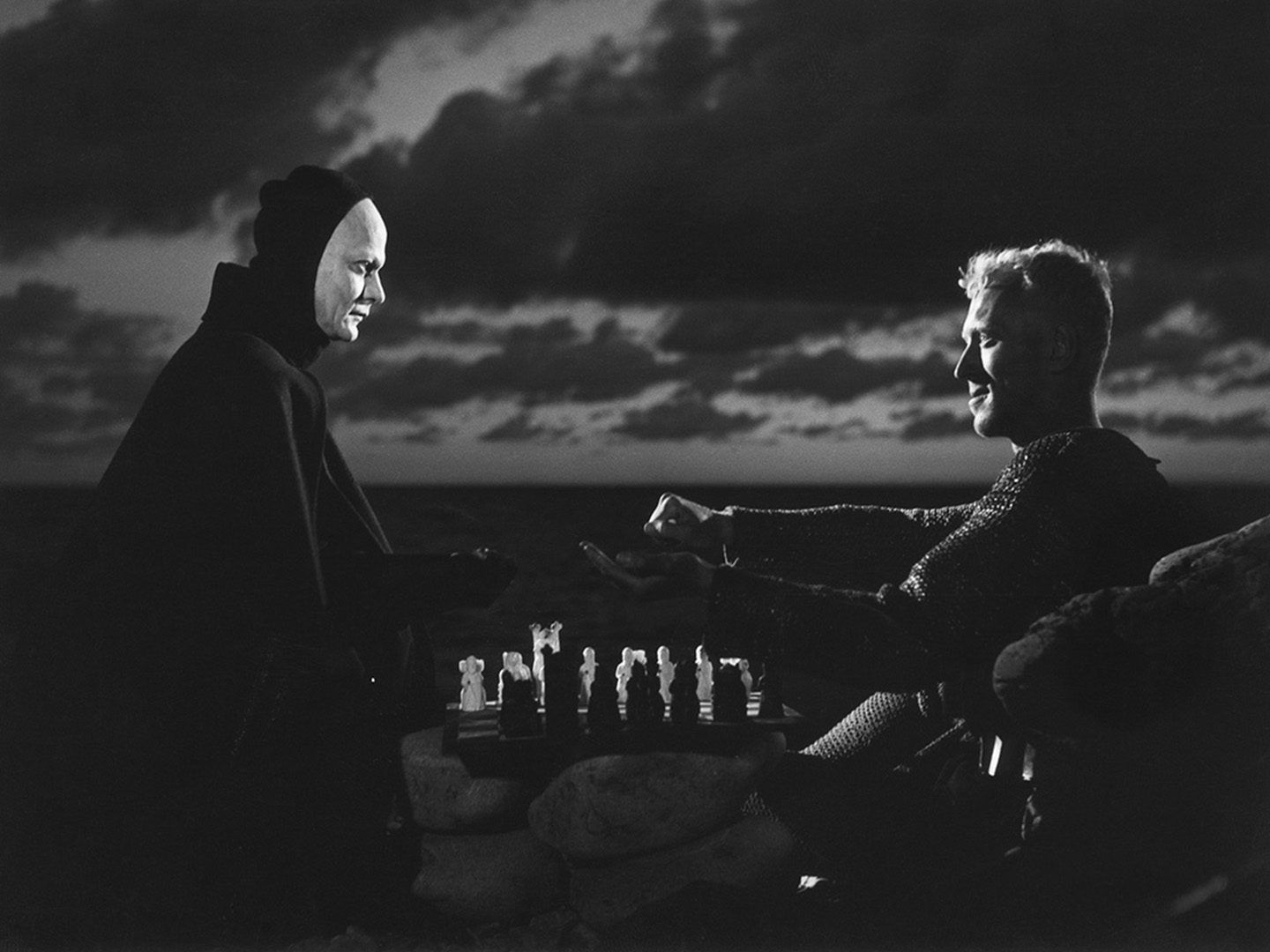
In an interview with Charles Thomas Samuels, Ingmar Bergman acknowledged making The Seventh Seal was a form of catharsis: “My fear of death – this infantile fixation of mine – was, at that moment, overwhelming. When I finished the picture, my fear went away.” In this film, Bergman evokes the fourteenth century. Returning exhausted from the Crusades to find Sweden gripped by the plague, a knight suddenly comes face-to-face with the hooded figure of Death and challenges him to a game of chess.