Week 14/2026
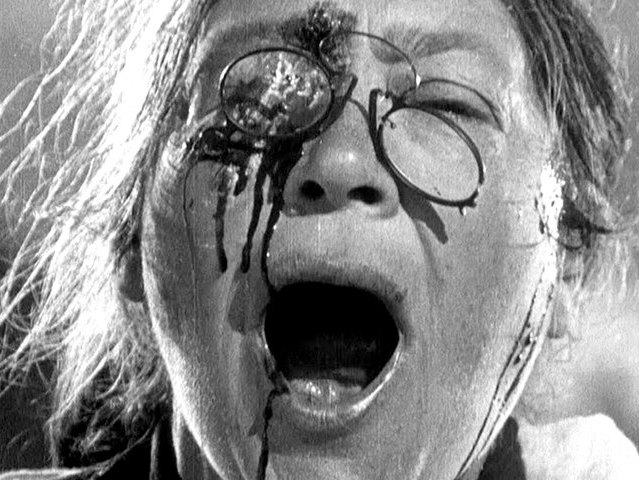
Over one hundred years ago, in 1925, the famed Russian filmmaker Sergei Eisenstein released his Bronenosets Potyomkin (Battleship Potemkin) in the theaters. The film sought to preserve the historical events that occurred during the Russian Revolution of 1905, when a mutiny broke out amongst the crew of the battleship Potemkin, triggering street demonstrations in Odessa that were met with extreme hostility by the authorities. Eisenstein remains a pioneer, an icon of Russian cinema and history, who introduced technical and artistic innovations to the medium of film. Working with rhythmic montage, interpolated shots and a never-seen-before creative translation of Marxist ideology to film, the filmmaker cemented his place in the collective memory and fascinated countless minds, including those of film critic Siegfried Kracauer and philosopher Walter Benjamin.
In the 2024 film All We Imagine as Light by Indian director Payal Kapadia, two roommates living in Mumbai navigate their love lives in vastly different ways. Prabha is in an arranged marriage and completely estranged from her husband, who lives in Germany and barely keeps in contact with her. The younger Anu is willing to take more risks when it comes to love: she falls in love with a Muslim man, with whom she begins a clandestine relationship. Together with a colleague, the women decide to take a trip to the seaside, which turns out to be enlightening for all of them. De Cinema in Antwerp is screening Kapadia’s feature film for the last time after a full program dedicated to her body of work, which included a visit and masterclass by the director herself.
Paul Verhoeven’s satirical film Starship Troopers (1997), from his American period, is screening at RITCS cinema on April 1st. After his Hollywood successes RoboCop (1987), Total Recall (1990) and Basic Instinct (1992), and his subsequent notorious flop Showgirls (1995), Verhoeven set out to make a high-budget science fiction film set in a dystopian 23rd century, where a fascist order prevails. With scenes that are violent, macho and patriotic to the extreme, the film satirizes American militarism and criticizes the politics of former U.S. president George W. Bush. Although it was made in the nineties, Starship Troopers remains politically relevant, if not even more so today.