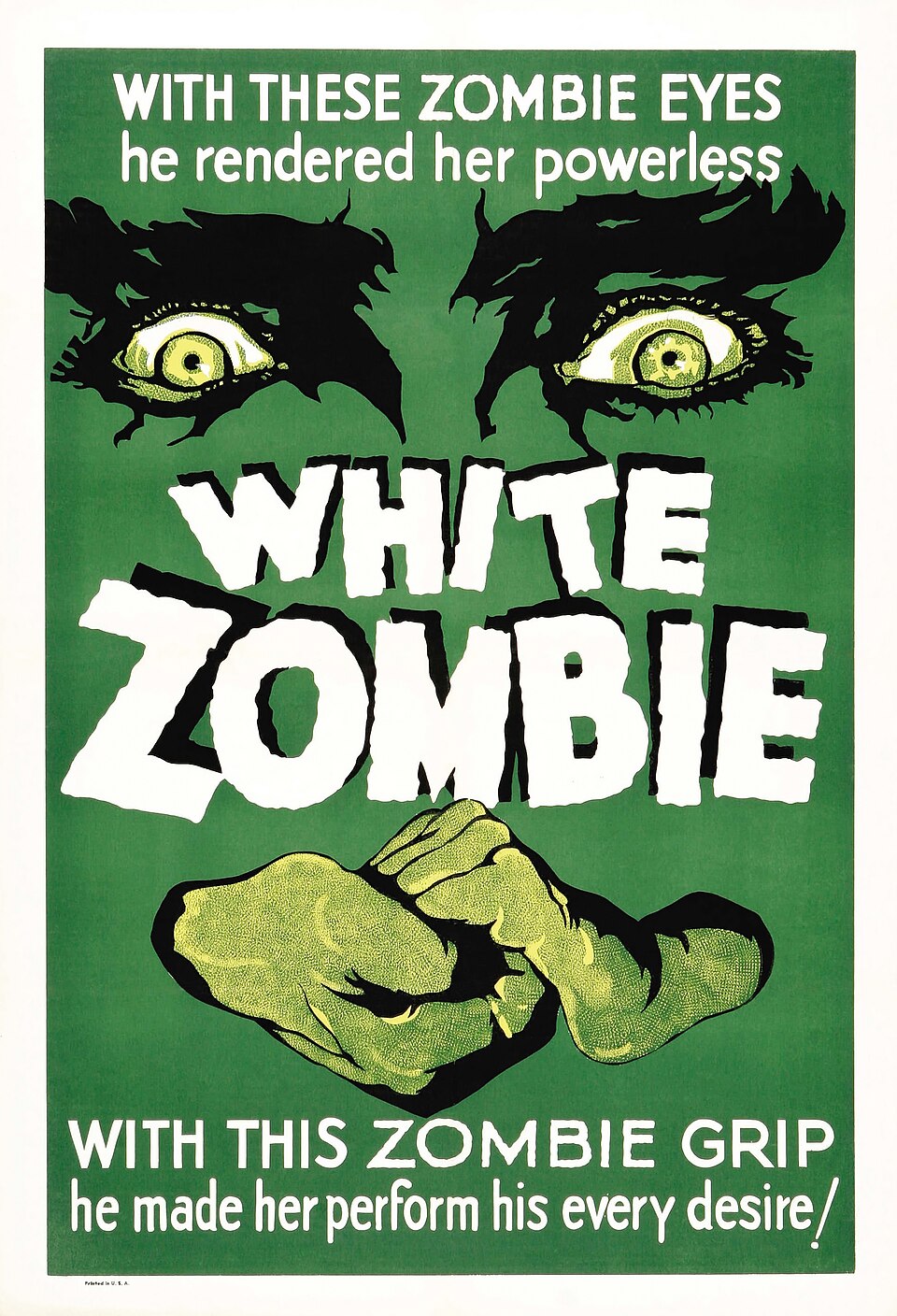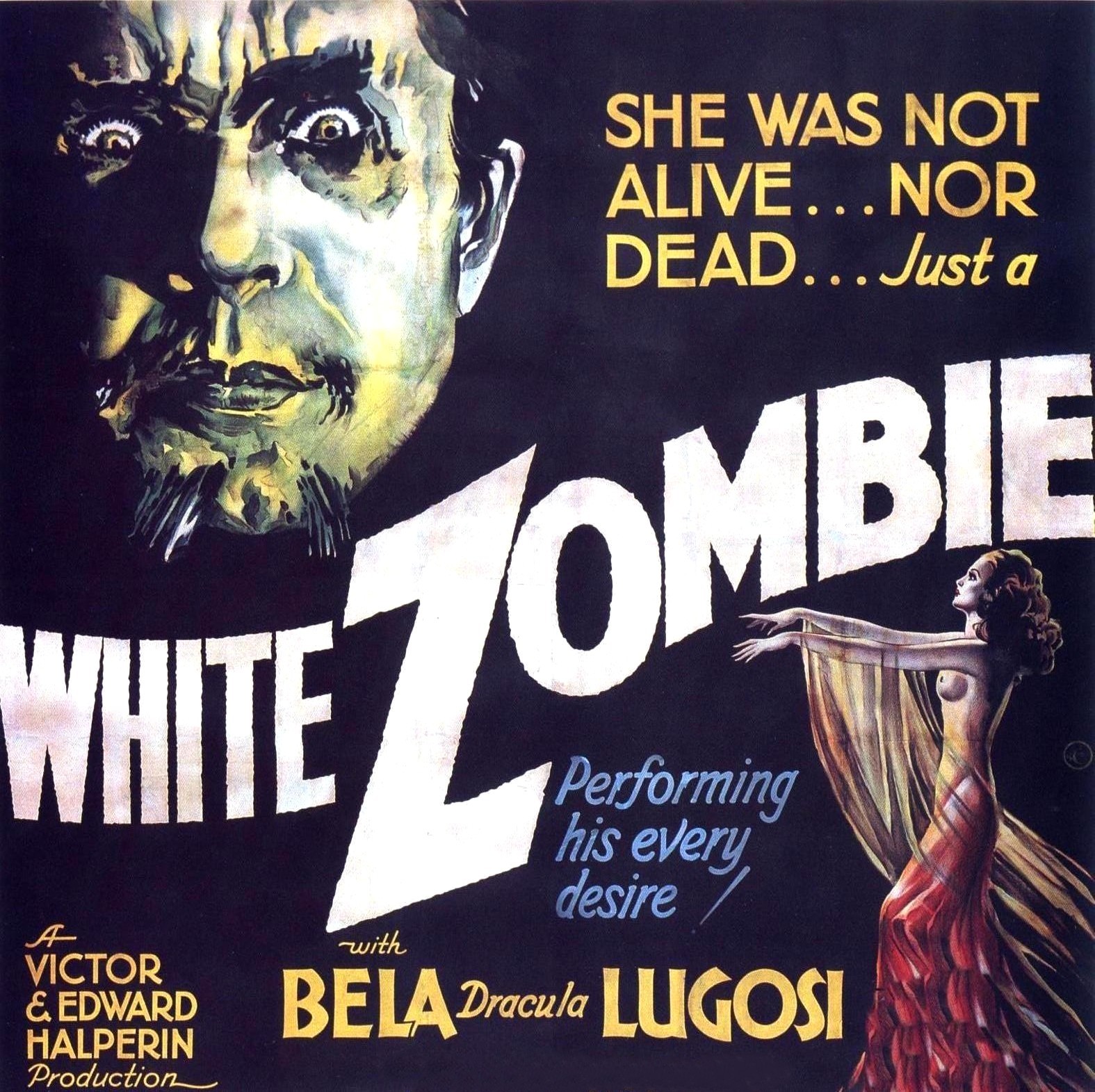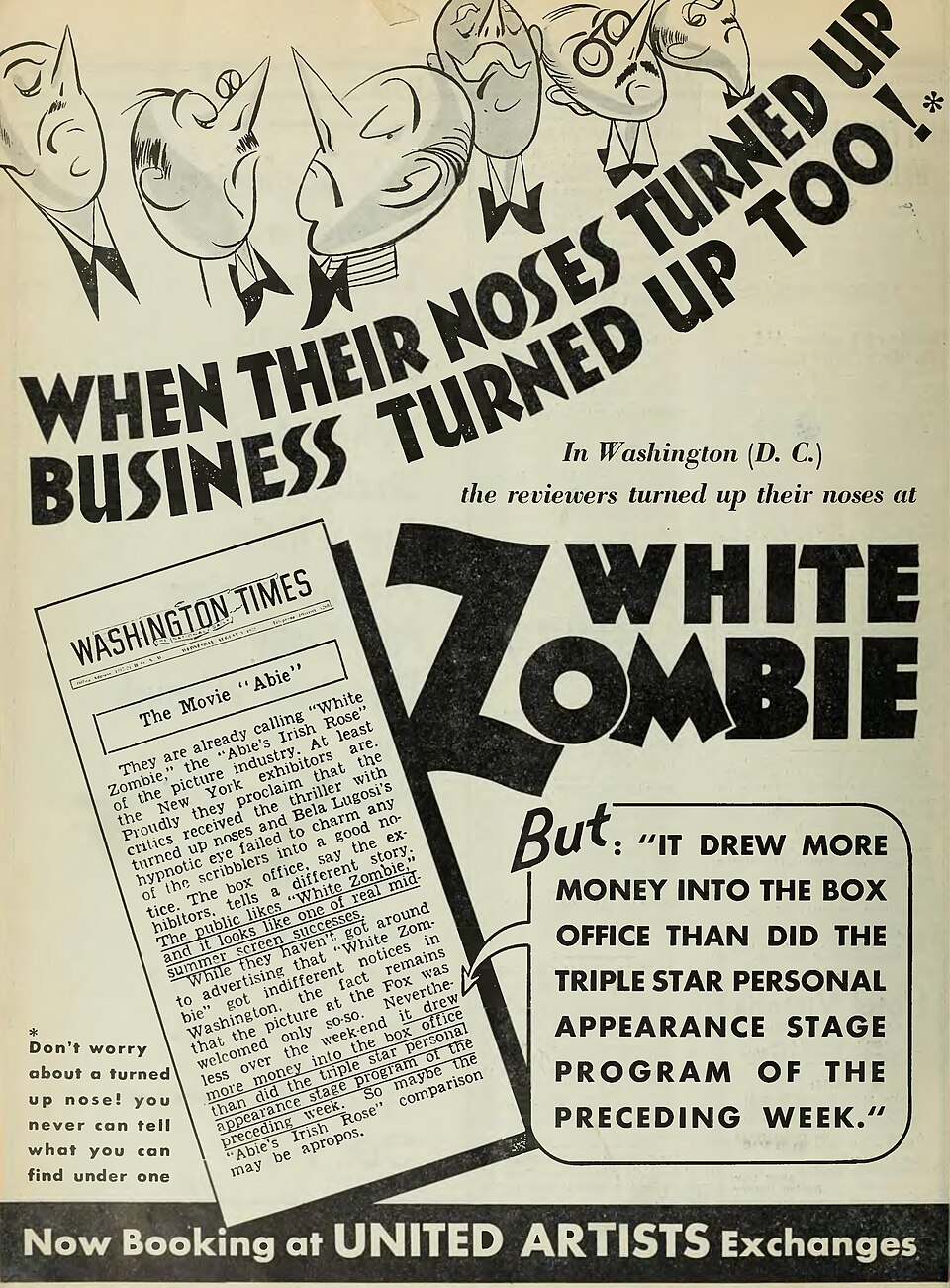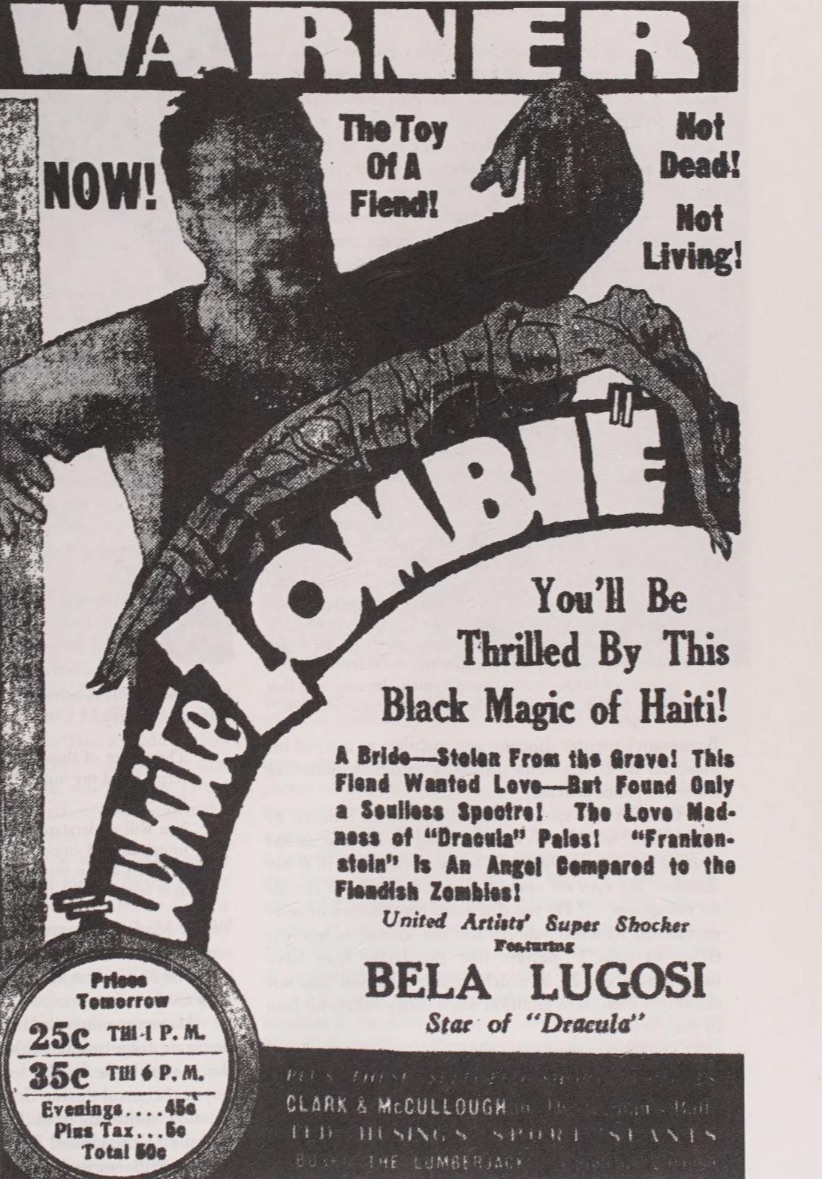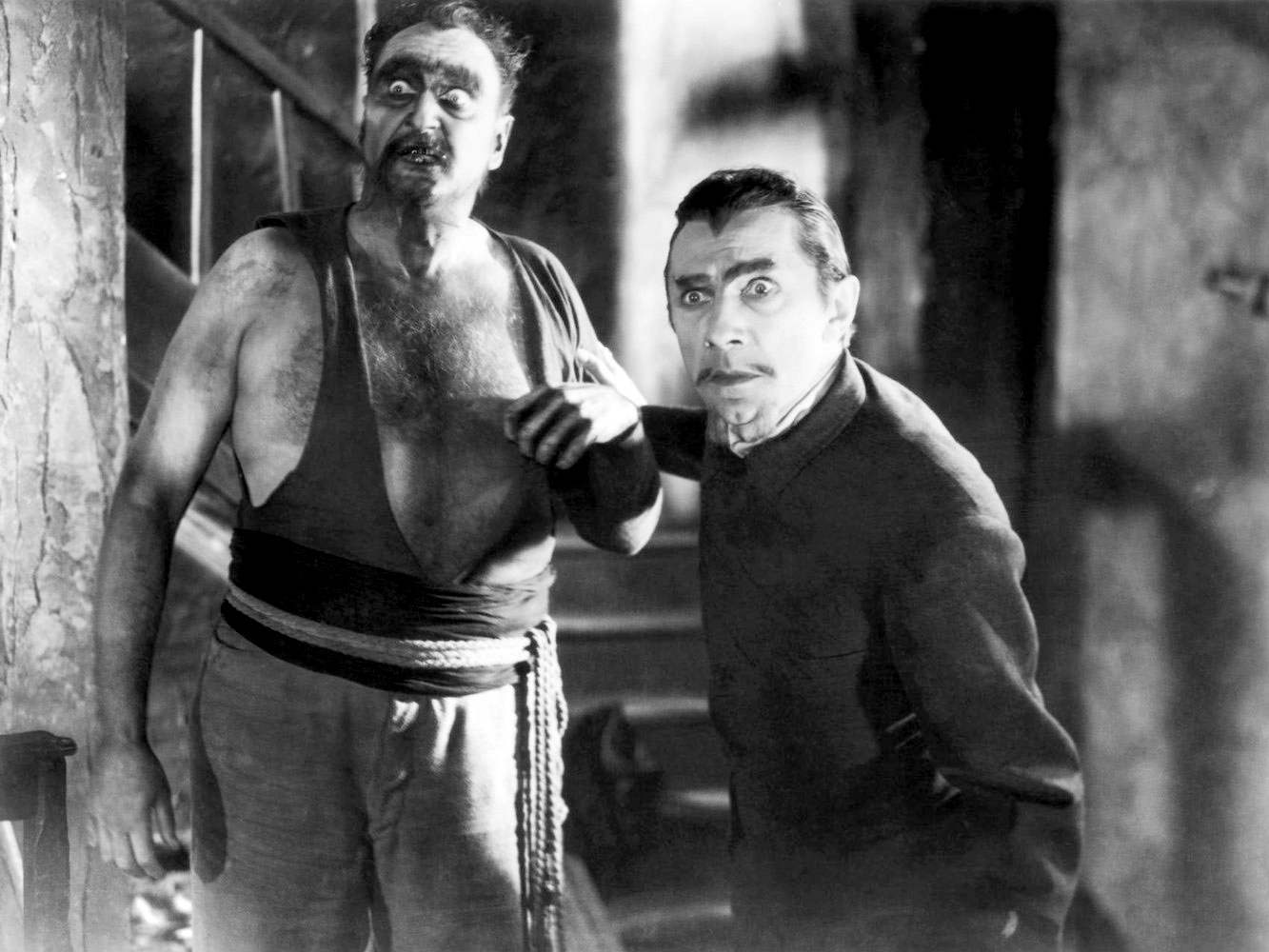
A young man turns to a witch doctor to lure the woman he loves away from her fiancé, but instead turns her into a zombie slave.
EN
“Even so, in the moments where everything comes together just right, this is one of the clear highlights of horror cinema in the '30s. The foggy images, barely lit by cineamtographer Arthur Martinelli with murky shadows, paint the sets borrowed from Universal's much better-funded horror films with a glowering menace, and the hollowed sound, an artifact of early recording techniques, increases our sense of foreboding through minimalism. In one of the film's signature moments, we see Legendre's zombies driving a mill in the dark, making no sound except the rhythmic creak of the blades chopping sugar cane. One zombie stumbles and falls, mutely, into those same blades, with nothing interrupting the steady movement and sound of the mill. Not even the passage of eight decades have dulled the basic horror generated by this stillness, and its when it reaches these heights of unearthly atmosphere that White Zombie justifies itself as a horror classic.”
Timothy Brayton1
“White Zombie, the first feature-length zombie film in cinema history and an early entry in the 1930s horror movie cycle, remains one of the most worthwhile efforts in the history of the horror genre. While its often poor critical reception and its association with the horror film genre has limited the attention given it in academic circles, White Zombie’s unique narrative, cinematic technique, and positioning of the spectator may have also contributed to its marginalization within film history.”
Gary D. Rhodes2
- 1
Timothy Brayton, “WHITE ZOMBIE: A Horror Subgenre Begins,” Cinematheque University of Wisconsin-Madison, 4 February 2016.
- 2
Gary D. Rhodes, White Zombie: Anatomy of a Horror Film (North Carolina: McFarland & Company, 2001).